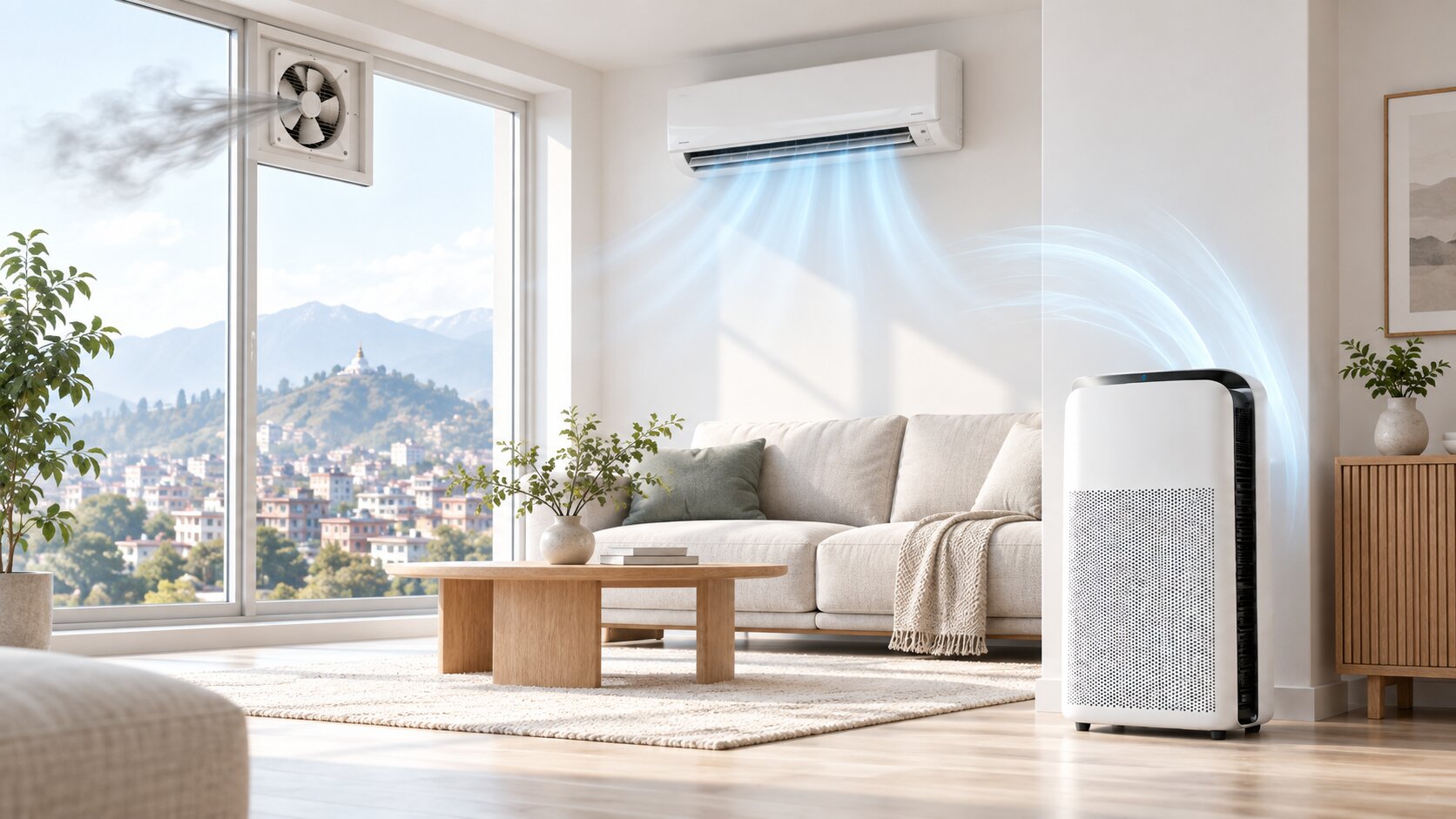
An air purifier, air conditioner and exhaust fan may all affect indoor comfort, but each solves a different problem. In an air purifier vs air conditioner comparison, an air purifier focuses on reducing airborne pollutants, an air conditioner controls temperature and may also affect humidity, while an exhaust fan removes indoor air along with moisture, odours and pollutants generated in a specific area.
In Nepal, a single room can need more than one of these functions. A bedroom in Kathmandu near a busy road, for example, may need filtration for outdoor dust and PM2.5, cooling during warmer months, and ventilation when outdoor air quality is suitable.
That is why choosing between an air purifier, AC and exhaust fan should start with the problem inside the room. Particles, heat, humidity, cooking fumes, odours and poor air exchange require different solutions, and in many cases the most effective setup combines more than one device.
Air Purifier vs AC vs Exhaust Fan: What Does Each One Do?
An air purifier, air conditioner and exhaust fan solve different indoor-air problems. An air purifier filters pollutants from recirculated room air, an AC mainly controls temperature, and an exhaust fan removes indoor air along with moisture, odours or pollutants generated near the source.
| Device | Main Job | Best Suited For | Does Not Replace |
| Air purifier | Filters recirculated indoor air | Airborne dust, PM2.5, pollen, smoke particles, allergens and some odours where suitable carbon filtration is present | Cooling, fresh-air ventilation, kitchen exhaust |
| Air conditioner | Controls indoor temperature | Cooling, some humidity reduction depending on the system, and limited dust capture through its filter | Dedicated fine-particle filtration, ventilation |
| Exhaust fan | Removes indoor air and sends it outside | Cooking fumes, moisture, odours, excess heat and pollutants generated near the source | Recirculating particle filtration, cooling |
For dust and PM2.5, an air purifier is the more relevant device. For heat, use an AC. For cooking fumes, moisture and pollutants generated in one area, an outdoor-vented exhaust system is more suitable.
The right setup depends on which of these problems exists in the room, and sometimes that means using more than one device.
What Does an Air Purifier Actually Do?
An air purifier draws indoor air through a filtration system, captures pollutants the filter is designed to remove, and returns the filtered air to the room. This can help reduce airborne dust, PM2.5, pollen and smoke particles. The U.S. EPA’s guidance on air cleaners and home filtration also makes clear that portable air cleaners work best as part of a broader approach that includes source control and appropriate ventilation.
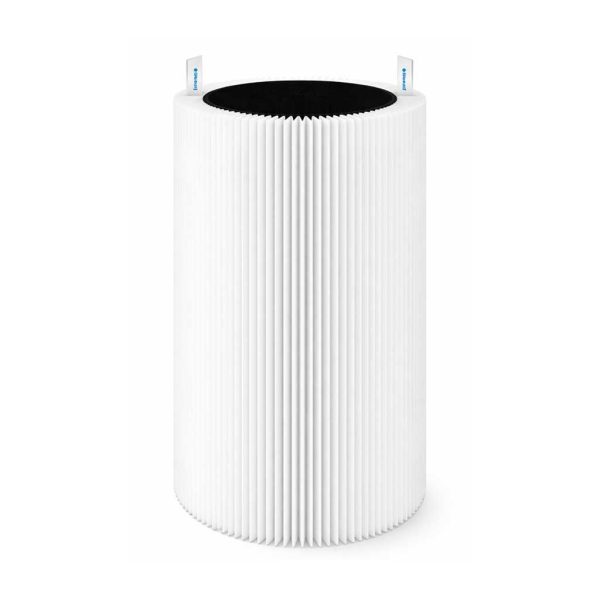
How well a purifier works depends on the size of the room, its clean-air delivery, filter condition, placement, operating time and fan speed. A unit that is too small for the space will clean the air more slowly, which is why factors such as CADR, air changes and room size matter when choosing a purifier.
An air purifier filters the air already inside the room. It does not cool the room or bring in fresh outdoor air, so ventilation may still be needed.
Does an Air Conditioner Clean the Air?
An air conditioner can catch some dust through its filter, but a standard residential AC should not be treated as a replacement for an air purifier. Its main job is temperature control, and many wall-mounted split ACs used in homes and offices simply recirculate indoor air rather than continuously bringing in fresh outdoor air.
The filter inside a typical AC can trap some larger dust and debris, but its ability to capture fine particles depends on the filter and system design. Some central or specialised HVAC systems may include stronger filtration or outdoor-air ventilation, so not every AC works in exactly the same way.
If fine dust, smoke particles or outdoor PM2.5 are the main concern, an air purifier may still be useful even when an AC is already in use.
What Does an Exhaust Fan Do for Indoor Air Quality?
An exhaust fan removes indoor air and sends it outside instead of filtering and returning it to the room. This makes it useful in places such as kitchens and bathrooms, where cooking fumes, moisture, odours or excess heat are produced in one area.
Kitchen exhaust is especially useful because frying, grilling and other cooking methods can release fine airborne particles. The U.S. EPA recommends using a range hood while cooking and, where possible, venting it outdoors. A ducted hood that vents outside is different from a recirculating hood, which filters the air and sends it back into the room.
When an exhaust fan removes air, replacement air has to enter from somewhere, such as windows, doors, vents or small gaps in the building. During periods of high outdoor pollution, that incoming air may also bring particles indoors, so outdoor conditions still need to be considered.
Air Purifier vs Air Conditioner: Which Is Better for Dust and PM2.5?
For airborne dust and PM2.5, a properly sized air purifier is the more relevant device. An AC can catch some dust through its filter, but its main job is temperature control rather than dedicated fine-particle filtration.
Larger dust particles often settle on floors, shelves and furniture, while finer particles can remain suspended in the air for longer. Outdoor particulate pollution can also enter through windows, doors and small gaps, which is why indoor air may still contain PM2.5 even when the room is closed.
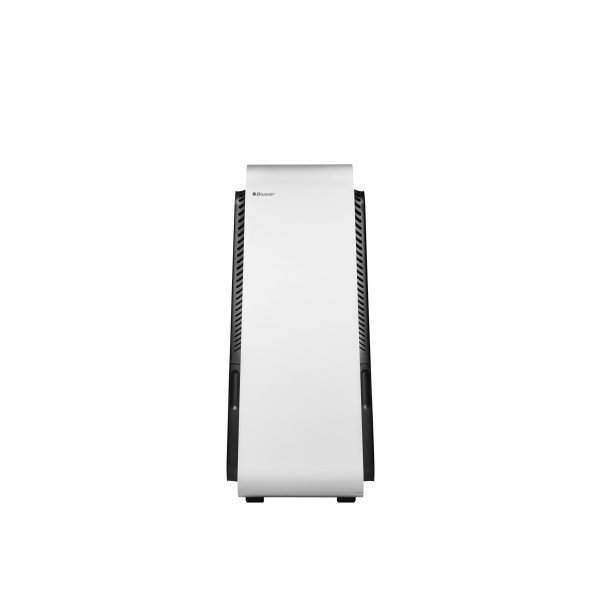
An air purifier repeatedly filters the air circulating in the room, but it will not remove every bit of dust from the home. Settled dust still needs regular cleaning, and reducing dust entry also helps. For larger bedrooms, living spaces or offices, the Blue 3610 is one option where the room size falls within its stated coverage.
Air Purifier vs Exhaust Fan: Which Is Better for Cooking Fumes and Odours?
For cooking fumes and airborne particles, an outdoor-vented exhaust fan or range hood should be the first line of control because it removes polluted air close to where it is produced. An air purifier can then help with some of the particles that remain in the room or move into nearby spaces.
The two devices therefore do different jobs. An exhaust system removes polluted air from the kitchen, while a purifier filters air that is already circulating indoors. This is why an air purifier should not replace proper kitchen exhaust, especially during frying or other cooking that produces grease and heavier fumes.
Odours need a slightly different approach because particle filtration alone cannot remove every gas responsible for a smell. Purifiers with suitable activated-carbon filtration may help reduce certain odours and gases, depending on the pollutant and filter design, so smoke, odours and cooking fumes should not all be treated as the same filtration problem.
Does an Air Purifier Help With Heat or Humidity?
An air purifier moves air through its filters, but it does not actively cool the room or control humidity. The airflow from its internal fan may feel noticeable nearby, but that is not the same as lowering the room temperature.
If cooling is the main concern, an air conditioner is the more suitable device. Depending on the system, settings and operating conditions, an AC may also remove some moisture from the air while it is cooling.
In kitchens and bathrooms, exhaust fans can help remove moisture at the source from cooking or showers. An air purifier still has a different role, focusing mainly on filtering airborne particles rather than controlling heat or humidity.
Does an Air Purifier Provide Fresh-Air Ventilation?
An air purifier does not provide fresh-air ventilation. It filters and recirculates the air already inside the room, while ventilation exchanges indoor air with outdoor air. Most residential split ACs also mainly recirculate indoor air, whereas an exhaust fan removes indoor air and allows replacement air to enter from elsewhere.
This difference matters because particle filtration does not remove occupant-generated CO₂ or replace air exchange. Ventilation can also help manage moisture, odours and indoor gases that a particle filter may not adequately address.
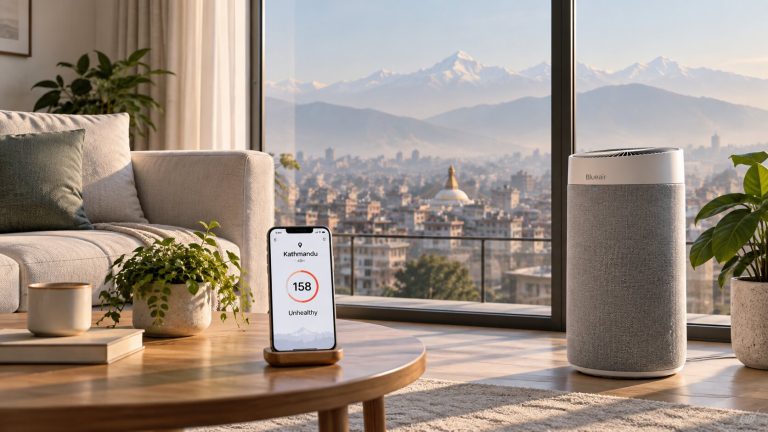
In Nepal, ventilation also needs to account for outdoor pollution. Opening windows when outdoor PM2.5 is high can bring more particles indoors, so it may be better to ventilate when outdoor conditions improve. If you are using a purifier with a display, PM2.5, AQI and other air-quality readings can help you understand what the device is measuring indoors.
Do You Need an Air Purifier or AC in a Bedroom?
For a bedroom affected by outdoor dust or PM2.5, an air purifier is useful for particle filtration, while an AC is useful for cooling. Ventilation still matters, but it is better timed for periods when outdoor air quality is suitable.
Using an AC and air purifier together can make sense because they do different jobs. The AC manages temperature, while the purifier continues filtering recirculated indoor air. In a Kathmandu bedroom near a busy road, for example, both may be useful during a hot and polluted afternoon.
A standard bedroom usually does not need a continuously running exhaust fan unless the building has a specific ventilation setup. In most cases, purifier + AC when needed + planned ventilation is the more practical combination.
Air Purifier or Exhaust Fan: What Should You Use in a Kitchen?
In a kitchen, source control and outdoor-vented exhaust should come first. A range hood or exhaust system that sends polluted air outdoors can remove cooking fumes, grease and particles close to where they are produced, before they spread through the room.
A practical setup is to use effective exhaust while cooking, keep unnecessary smoke or burning to a minimum, and ventilate when outdoor air quality is suitable. If fine particles still linger or move into adjoining spaces, an air purifier can provide supplementary filtration.
The purifier should not replace kitchen exhaust, and it should not be placed too close to a greasy cooking surface unless the manufacturer’s guidance allows it. For cooking pollution, capture at the source first, then use filtration as support.
What Should You Use in an Office?
An office often needs temperature control, ventilation and particle filtration at the same time. An AC can manage indoor temperature, ventilation exchanges indoor air with outdoor air and helps manage occupant-generated CO₂, while an air purifier focuses on airborne particles such as dust and PM2.5.
These functions are not interchangeable. A purifier cannot solve high CO₂ caused by poor ventilation, and ventilation alone may not provide enough particle control when outdoor air pollution is high. In many offices, the most practical setup is a combination of all three.
For offices or workspaces that fall within its stated room coverage, the HealthProtect 7470i can be used for dedicated particle filtration alongside the existing AC and ventilation system.
What Should You Use on a Highly Polluted Day?
When outdoor particle pollution is much worse than the air indoors, avoid unnecessary window opening during the worst periods. Run an appropriately sized air purifier where available, and reduce indoor pollution sources such as smoking, burning and heavy cooking fumes.
An AC can still be used for temperature comfort, but ventilation is better timed for periods when outdoor air quality improves. Keeping windows closed during a pollution spike does not mean the room should stay sealed all the time.
The same approach can help during smoke and haze events, when outdoor particles may enter indoors more easily. Knowing how to manage indoor air during seasonal haze and wildfire smoke can help you decide when to limit outdoor air and when to ventilate again.
What Indoor-Air Setup Works Best for Each Room?
Different rooms need different combinations because the main problem can change from one space to another. A bedroom may need particle filtration and cooling, while a kitchen or bathroom may benefit more from exhaust and source control. This table gives a quick way to match the setup to the situation.
| Situation | Best Combination |
| Dusty bedroom | Air purifier + AC if needed + timed ventilation |
| Hot bedroom with cleaner outdoor air | AC + ventilation |
| Kitchen while cooking | Outdoor-vented exhaust + source control |
| Kitchen with lingering particles | Exhaust + ventilation + supplementary purifier |
| Office affected by outdoor PM2.5 | Air purifier + AC + adequate ventilation |
| High outdoor PM2.5 / particle pollution | Particle filtration + ventilation when outdoor conditions improve |
| Humid bathroom | Exhaust fan |
| High indoor CO₂ | Ventilation |
The aim is not to use more devices than necessary, but to solve the right problem with the right one. In some rooms a single device may be enough, while others may need filtration, cooling and ventilation working together.
Common Mistakes When Comparing These Devices
These devices are often compared as if they solve the same problem, which leads to poor choices. The most common mistakes come from confusing filtration, cooling, exhaust and ventilation.
- Assuming an AC automatically brings in fresh air. Many residential split ACs mainly recirculate the air already inside the room.
- Treating an AC filter like a dedicated air purifier. Standard AC filtration may catch some dust, but fine-particle performance varies by system.
- Expecting an air purifier to cool the room. The fan creates airflow, but it does not lower room temperature like an AC.
- Expecting an air purifier to remove CO₂. Particle filtration does not replace the air exchange provided by ventilation.
- Using an air purifier instead of kitchen exhaust. Cooking fumes and grease are better controlled close to the source with proper exhaust.
- Ignoring where replacement air comes from. When exhaust removes indoor air, polluted outdoor air may enter through windows, vents or gaps.
- Keeping windows closed all the time. During polluted periods this may help reduce particle entry, but ventilation should resume when outdoor conditions improve.
- Choosing a purifier without checking room size. A unit that is too small may not provide enough clean-air delivery for the space.
- Expecting one appliance to solve every indoor-air problem. Particles, heat, humidity, gases and ventilation often require different approaches.
Choose the Right Setup for the Problem in Your Room
An air purifier, AC and exhaust fan each solve a different part of the indoor-air problem. An air purifier handles airborne particles, an AC controls temperature, exhaust removes pollutants produced at the source, and ventilation provides air exchange with outdoors.
For many homes and offices in Nepal, the best setup may involve more than one of these. What you need depends on the room, the pollution source and whether the main concern is dust, PM2.5, heat, moisture or poor ventilation.
If airborne dust or PM2.5 is the part you still need to address, contact Clean Air Nepal for help choosing an air purifier that suits your room size and how you use the space.
FAQs
Does AC clean the air in a room?
An AC can catch some dust through its filter, but its main job is temperature control. Fine-particle filtration varies by model and should not be assumed to match a dedicated air purifier.
Do I need an air purifier if I already have AC?
An air purifier can still help with airborne dust, PM2.5, smoke particles and allergens. The AC handles temperature, while the purifier handles dedicated particle filtration.
Can an exhaust fan replace an air purifier?
An exhaust fan removes indoor air, while an air purifier filters air already circulating in the room. They solve different problems and are not direct substitutes.
Does an air purifier cool a room?
An air purifier creates airflow but does not lower room temperature. Cooling requires an air conditioner or another cooling system.
Should I use an air purifier and AC at the same time?
Using both can make sense because they do different jobs. The AC controls temperature while the purifier continues filtering indoor air.
Does an air purifier provide fresh air?
An air purifier filters and recirculates indoor air rather than bringing in fresh outdoor air. Ventilation is still needed when outdoor conditions are suitable.