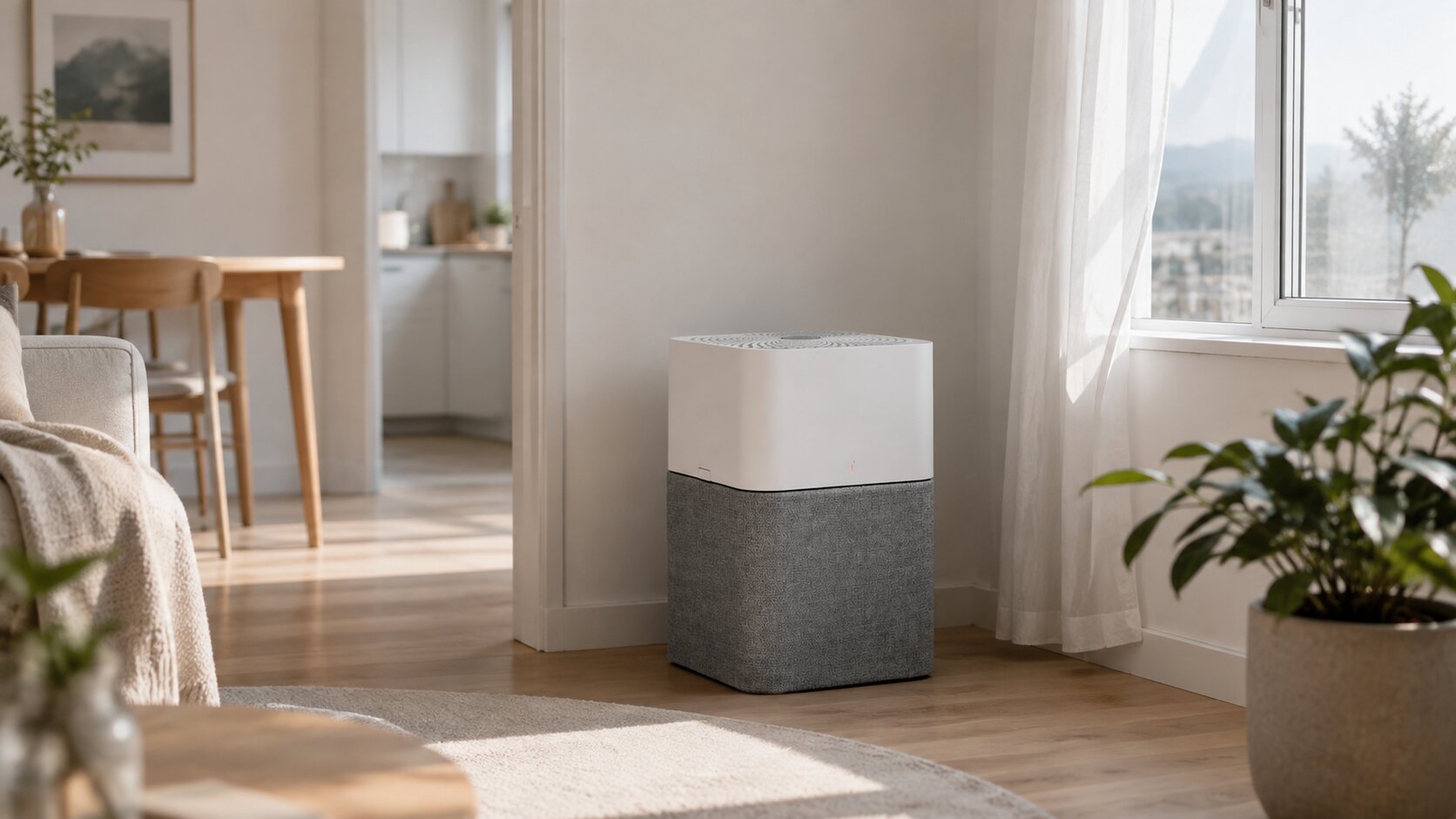
A red light that remains on after the purifier has been running means something is keeping the air-quality reading high. Pollution may still be entering through doors and windows, coming from an indoor source or building up faster than the purifier can clear it.
The cause may be as simple as cooking, incense, disturbed dust or a low fan setting. Blocked airflow, a heavily loaded filter, an undersized purifier, steam, humidifier mist and aerosol sprays can also prevent the reading from improving as expected.
The quickest way to find the problem is to check the room first, followed by the purifier’s settings, airflow, filter and sensor area. This guide takes you through each possible cause and explains what to do when the display remains red or shows a high reading.
What Does a Red Light or High Reading Mean?
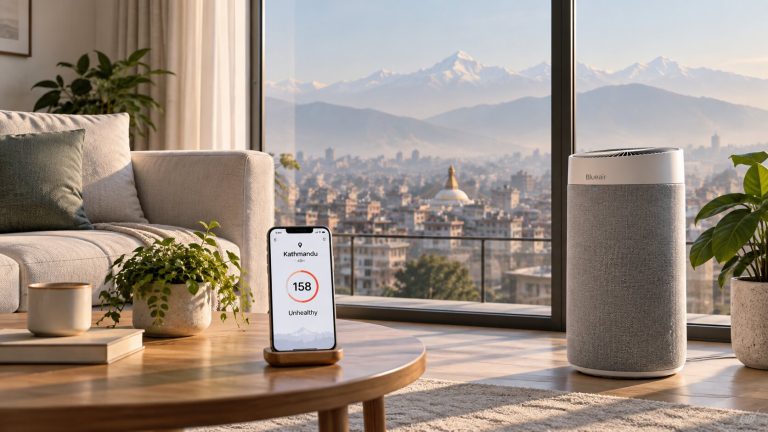
A red light or high reading shows that the purifier’s sensor is detecting poor air quality in the air entering the unit. It does not mean the purifier has stopped working. The display may remain high while the unit continues filtering, especially when pollution is still present or being released into the room.
The exact meaning depends on the purifier model and the indicator being shown. It may represent particle pollution, VOCs or a manufacturer-labelled AQI value. Check the icon, connected app or product manual to confirm what the reading represents.
How Can You Check Whether the Purifier Is Cleaning the Room?
A simple room test can show whether the purifier is bringing the pollution level down. Use a room within its recommended capacity and create steady conditions for the test:
- Close the doors and windows.
- Stop cooking, smoking, burning incense, cleaning and using sprays.
- Keep the air intake and outlet clear.
- Check that the filter is fitted correctly and all packaging has been removed.
- Run the purifier at a high manual fan speed.
- Watch how the reading changes over time instead of focusing on one number.
- Repeat the test if the first result is unclear.
A steady drop shows that the purifier is reducing the pollution detected by its sensor. If the reading falls and then rises, more pollution may be entering the room or coming from an indoor source.
Slow improvement may be caused by blocked airflow, a loaded filter or a purifier that is too small for the space.
What Is Keeping the Reading High?
A high reading can continue when pollution is being produced indoors, entering from outside or reaching the sensor from a nearby source. Check these room conditions before looking for a fault in the purifier.
Is Something Still Polluting the Room?
Cooking, incense, candles and tobacco smoke can release particles faster than the purifier can remove them. Vacuuming, sweeping and shaking bedding can also lift settled dust and raise the reading for a short time.
Smoke and cooking fumes may contain both particles and gases, so an air purifier for smoke, odour and cooking fumes needs suitable particle and carbon filtration. Stop the source where possible, use an exhaust fan while cooking and watch whether the reading begins to fall.
Is Outdoor Pollution Entering the Room?
Open doors and windows can bring in traffic pollution, road dust, construction particles, pollen, smoke and seasonal haze. The purifier may struggle to lower the reading while polluted air continues entering the room.
Check current conditions on the Nepal Department of Environment air-quality portal before opening windows. Keep external openings closed when pollution is high and ventilate once the outdoor air improves.
Could the Sensor’s Surroundings Affect the Reading?
The sensor measures the air close to the purifier, so nearby conditions can affect the reading. A kitchen, open window, doorway or strong draught may direct pollution towards the unit, while furniture, curtains or dust around the sensor inlet can restrict airflow.
Humidifier mist, shower steam and nearby sprays may also cause a temporary rise on some sensors. Move the purifier away from direct mist or spray, and clean the sensor area only as instructed in the product manual. Do not open the housing, insert tools or apply liquid.
Is the Purifier Cleaning the Space Effectively?
Once room pollution sources have been checked, look at how effectively the purifier is moving and filtering air. Fan speed, placement, room size and filter condition can all affect how quickly the reading falls.
Is the Fan Speed or Airflow Too Low?
A low fan setting moves less air through the filter, so the reading may take longer to improve after cooking, cleaning or opening a window. Switch to a high manual speed when pollution rises, then reduce it once the reading settles.
Furniture, curtains, walls and clutter can block the intake or outlet and weaken circulation. Correct air purifier placement keeps airflow clear, while the product manual provides the required clearance for each model.
Is the Air Purifier Large Enough for the Space?
A purifier that is too small may clean the air, but not quickly enough for a large or heavily polluted room. High ceilings, open doors and connected living areas increase the amount of air the unit needs to handle.
Compare the purifier’s stated capacity with the entire connected space, not only the area around the unit. If the reading improves in a smaller closed room, its normal location may be too large or open.
Does the Filter Need Attention?
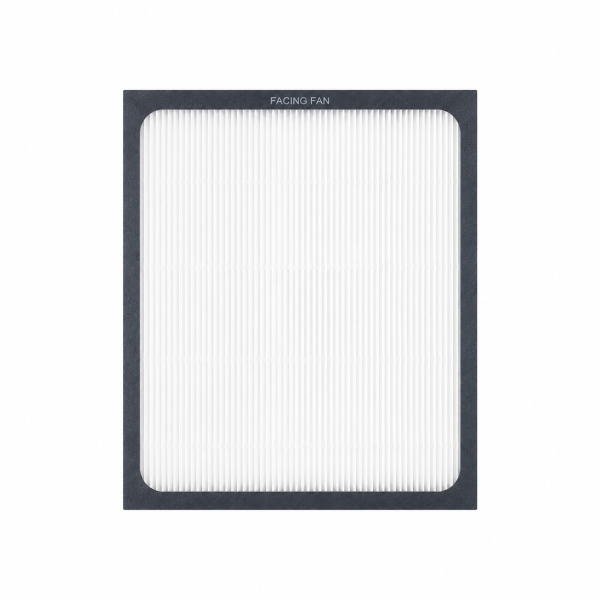
An incorrectly fitted filter can restrict airflow and reduce cleaning performance. Check that all packaging has been removed, the filter is facing the correct direction and the access panel is fully closed.
Dust buildup can also slow airflow through the purifier. Blueair filter replacement timing in Nepal depends on usage and local dust levels, so inspect and replace the filter according to the model instructions. Do not wash or vacuum it unless the manufacturer permits it.
What Do the Indicators Mean on Different Blueair Models?
The meaning of a red light or high reading depends on the model and the indicator being shown. Use the table below to identify what your purifier is reporting.
| Blueair model | What the indicator measures | What a red or high reading suggests |
| DustMagnet i-Series | The front air-quality light is based on PM2.5 detected near the purifier. | Red represents a very high fine-particle level. An odour may not change the light if it produces little particle pollution. |
| HealthProtect 7470i and 7770i | The left indicator shows the highest detected level among PM1, PM2.5 and PM10. The right indicator shows VOC conditions. | A high left-side reading points to particle pollution, while a high right-side reading points to gases or VOCs. |
| Classic i-Series | Connected models provide readings for PM2.5, total VOCs, temperature and humidity. | Check the purifier or connected app to identify which reading is elevated. |
A red filter-replacement light is a maintenance alert, not an air-quality reading. Indicator positions, colours and icons may vary by model generation or regional version, so use the manual supplied with the purifier as the final reference.
When Should You Contact Technical Support?
Contact technical support if the sensor reading remains fixed even when room conditions change, the fan does not respond, an error code appears, or the motor, display or app does not work as expected. Support may also be needed if the app and purifier remain out of sync after following the reconnection steps in the manual.
Keep the model name, serial number, app version, error code and details of the checks you have completed ready. Do not dismantle the purifier or attempt to repair its electrical parts, motor or sensor yourself.
Get Help With Persistent Air-Quality Readings
Most persistent red lights can be traced to the room conditions, airflow, filter or sensor checks covered above. If the reading remains high after testing the purifier in a controlled room, a closer review can help determine whether the cause is the setup, purifier capacity or a technical problem.
Note the purifier model, room size, fan setting, current reading and checks already completed. For model-specific help with placement, filter condition or room coverage, contact the team for further guidance.
FAQs
Why Is My Air Purifier Still Red After Several Hours?
The light may remain red when pollution is still entering the room or being produced indoors. Stop active sources, close external openings when outdoor air is polluted and run the purifier at a high manual speed.
Does a Red Light Mean the Filter Needs Replacing?
A red air-quality light does not mean the filter needs replacing. Only the filter-replacement indicator signals maintenance, so confirm the icon in the product manual before replacing or resetting the filter.
Why Does My Air Purifier Turn Red When I Cook?
Frying, grilling and high-heat cooking can release fine particles that quickly raise the reading. Use an exhaust fan and run the purifier at a higher speed, away from direct heat, grease and steam.
Can a Humidifier Make an Air Purifier Show Red?
Fine humidifier mist can raise the reading when droplets reach certain particle sensors. Move the devices farther apart and prevent mist from blowing towards the purifier.
Why Does the Reading Rise When I Open a Window?
An open window can allow traffic pollution, dust, pollen, smoke or haze to enter the room. Check the outdoor air quality and close the window when pollution is high.
Why Does the Reading Stay High in Auto Mode?
Auto Mode may not clear a sudden particle increase as quickly as a high manual setting. Use high speed during cooking, smoke or dust events, then return to Auto Mode after the reading improves.
Can an Air Purifier Be Too Small for a Room?
A small purifier may clean a large or connected space too slowly. Compare its stated capacity with the complete room area, including connected spaces and ceiling height.
What Should I Do If the Sensor Reading Never Changes?
Check the sensor area, airflow, placement and app connection if the reading never changes. Contact technical support if it remains fixed despite clear changes in room conditions.