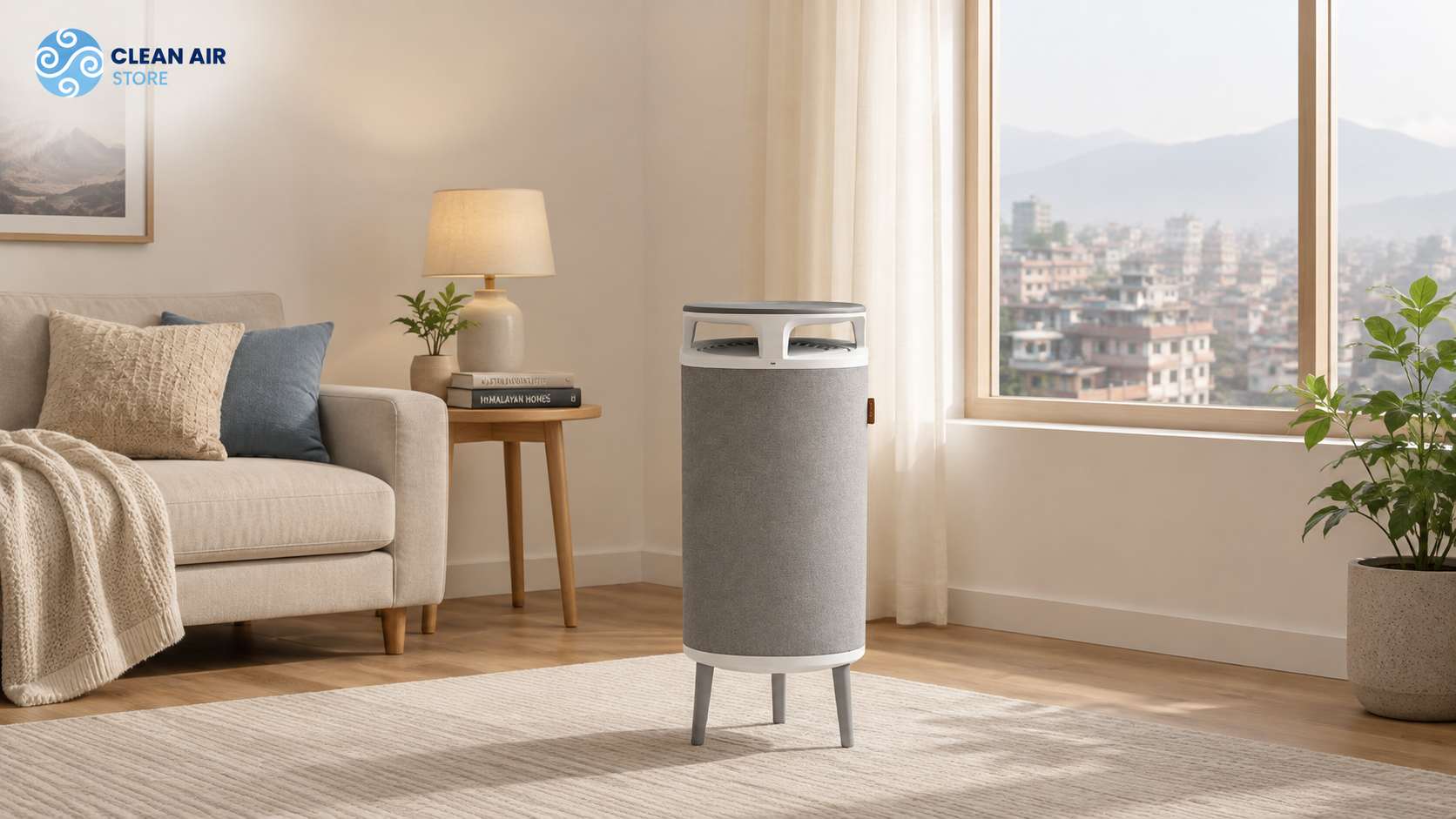
Many air purifier mistakes are simple to fix, yet they can make a capable machine appear weak. A purifier cannot deliver its expected clean-air rate when it is pushed into a corner, blocked by furniture, used in a room that is too large or kept permanently on its lowest fan speed.
These problems matter in Nepal, where indoor air can be affected by traffic pollution, construction dust, cooking smoke, incense, pollen, seasonal haze and PM2.5 entering through doors and windows. Even a premium purifier performs poorly when polluted air enters faster than the unit can filter it.
Learning how to use an air purifier correctly means treating room size, airflow, source control, ventilation timing and filter condition as parts of the same system.
Common Air Purifier Mistakes and How to Fix Them
An air purifier can only perform well when it has enough capacity, unrestricted airflow and a suitable operating routine. Small mistakes involving placement, fan speed, windows and filter care can reduce the amount of clean air delivered to the room. The following problems are common in Nepalese homes, but most are straightforward to correct.
1. Placing the Air Purifier in a Corner or Behind Furniture
Placing an air purifier behind a sofa, under a table or tight against a wall can restrict the intake and outlet, reducing airflow through the unit. This slows the rate at which polluted air is drawn in, and clean air circulates through the room. Keep enough open space around the purifier, avoid heavy curtains and large furniture, and position it in the room where people spend the most time.
2. Blocking the Air Intake or Air Outlet
Clothes, curtains, furniture or dust covering the intake or outlet can reduce the amount of air moving through the purifier. Even an efficient filter cannot work properly when airflow is restricted. Check every side of the unit, keep the grilles clear and follow the spacing guidance in the manual rather than placing the purifier inside a cabinet or enclosed shelf.
3. Choosing the Wrong Air Purifier Room Size
An undersized purifier may keep running without cleaning the room quickly enough, especially during heavy dust, smoke or high PM2.5. Check both the room size and the purifier’s CADR, which shows how much filtered air it can deliver. Measure the full space, including ceiling height and any connected areas, before choosing a model. A Blue 3410 may suit a medium room, while a larger space may need a Blueair Classic 480i or more than one unit.
4. Running the Purifier Only on the Lowest Fan Speed
Low or Night mode is quieter, but it may not move enough air during cooking, dust, incense use or seasonal smoke. Use Auto Mode for daily operation and switch to medium or high when pollution levels rise. During severe outdoor pollution, keep the room closed and run the purifier on high until the readings improve.
- Daytime: Use Auto or medium in normal conditions.
- After a pollution event: Run the purifier on high until readings fall.
- Night: Use Night mode or the highest comfortable setting.
- Severe outdoor pollution: Use high speed in a closed room.
5. Using an Air Purifier With Open Windows During High Pollution
Open windows can allow traffic pollution, road dust and smoke to enter faster than the purifier can remove them. During high PM2.5, haze or wildfire smoke, close doors and windows in the priority room and increase the fan speed. When outdoor air improves, briefly ventilate the room to clear stale air, cooking gases and carbon dioxide, then resume filtration.
For cooking fumes, use an exhaust fan or outdoor ventilation when conditions allow, then use the purifier for remaining particles and odours. The guide to smoke, odour and cooking fumes explains why particle and carbon filtration may both be needed.
6. Forgetting to Replace or Care for the Filters
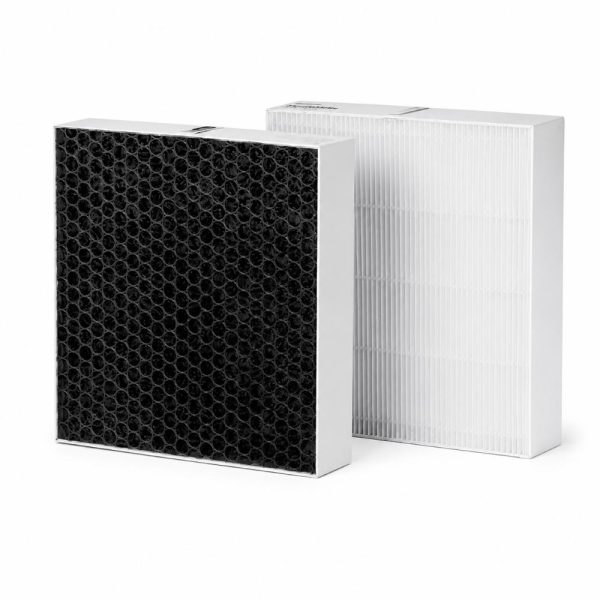
Filters collect dust, pollen and smoke over time, which can weaken airflow and make the purifier less effective. Check the filter every month and replace it when the indicator or manufacturer guidance says it is due. Do not wash the main filter unless the manual clearly states that it is washable, and only clean approved pre-filter parts.
7. Moving One Air Purifier From Room to Room
Moving one purifier between rooms interrupts continuous filtration and allows particles to build up again once the unit is removed. Keep the purifier in the room that needs it most, such as the bedroom at night or the living room during the day. Larger homes or several occupied rooms may require more than one unit.
8. Turning the Purifier Off When Leaving the House
Switching the purifier off every time the room is empty allows dust and outdoor pollution to build up while it is not running. Leaving it on Auto or a low continuous setting helps maintain cleaner air throughout the day. Timers, schedules and app controls can also reduce unnecessary power use without stopping filtration completely.
9. Expecting One Purifier to Remove Every Pollutant
A HEPA air purifier can reduce dust, pollen, PM2.5, allergens and smoke particles, but it cannot solve every indoor air problem. It does not remove carbon dioxide, control humidity, repair dampness or provide proper kitchen ventilation. Odours and some gases may require activated carbon, while fresh-air ventilation is needed to reduce carbon dioxide.
10. Ignoring Regular Maintenance and Airflow Checks
Dust can collect on intake grilles, outlets, pre-filters and sensor openings, even when the main filter is still usable. Inspect the purifier monthly, keep all airflow openings clear and clean only the parts approved in the manual. If airflow becomes weaker, check for dust, blockages and filter loading before assuming the unit has developed a fault.
Recommended Air Purifier Maintenance Schedule
Regular maintenance helps an air purifier maintain steady airflow and effective filtration. A simple weekly, monthly and yearly routine can prevent blockages, reduce strain on the unit and extend filter life.
| Frequency | Maintenance Task |
| Weekly | Check that curtains, furniture and household items are not blocking airflow |
| Monthly | Inspect the filter, pre-filter, intake, outlet and sensor opening |
| After heavy smoke or dust | Check for rapid filter loading and clean permitted pre-filters |
| Every 6–12 months | Replace the main filter when indicated or required by the model |
| Yearly | Recheck room size, placement, operating habits and filter availability |
The interval is not fixed. Running time, fan speed, construction dust, smoke and roadside pollution affect how quickly a filter loads.
How to Check and Improve Air Purifier Performance
A temporary high reading does not always mean the purifier is failing, so look for repeated changes in airflow, noise and indoor air quality. Weak airflow, rising PM2.5, faster dust build-up or little difference between fan speeds may indicate blocked airflow, an overloaded filter or insufficient capacity.
Correct sizing, clear airflow and suitable operating settings all affect the result. Read more about air purifier performance and benefits in Nepal before reviewing the checklist below. Check the purifier in a closed room with indoor pollution sources stopped, clear space around the unit and the fan set to high. If performance remains weak, use this checklist:
- Match the purifier’s CADR to the full room volume.
- Keep all air intakes and outlets clear.
- Place the unit away from furniture and curtains.
- Use Auto, medium or high when pollution rises.
- Close windows during dust, haze and smoke.
- Ventilate when outdoor air becomes cleaner.
- Inspect the filter monthly and replace it on time.
- Keep the purifier in the room that needs it most.
- Run it consistently instead of waiting for visible pollution.
- Combine filtration with cleaning, source control and suitable ventilation.
Get Help Matching the Purifier to Your Home
Every home has a different layout, pollution sources, and routine. Contact our indoor air team for practical guidance on selecting, placing and maintaining a suitable Blueair air purifier without oversizing or undersizing the space.
FAQs
What Is the Most Common Air Purifier Mistake?
Choosing a purifier with too little CADR for the room is one of the most damaging mistakes. An undersized unit removes dust and PM2.5 too slowly and may need to stay at maximum speed.
Can a Blocked Air Purifier Still Clean the Air?
A blocked air purifier may continue running, but restricted intake or outlet airflow reduces how much room air reaches the filter. Clear curtains, walls, furniture and stored items from every opening.
Is It Bad to Use an Air Purifier With Open Windows?
Open windows reduce performance when outdoor air contains high PM2.5, traffic pollution, dust or smoke. Ventilate when outside conditions are cleaner, then close the windows and resume filtration.
Which Fan Setting Is Best for an Air Purifier?
Auto or medium suits stable everyday conditions. High speed is better during cooking smoke, cleaning, seasonal haze or sudden particle increases. At night, use the highest setting that remains comfortable.
How Often Should Air Purifier Filters Be Checked in Nepal?
Check the filter every month because dust, traffic pollution, construction and seasonal smoke can load it quickly. Replace it according to the indicator and model instructions.
Can One Air Purifier Clean an Entire House?
One portable purifier cannot reliably clean separate closed rooms because airflow between them is limited. Use it in one connected area, prioritise the most occupied room or use additional units.