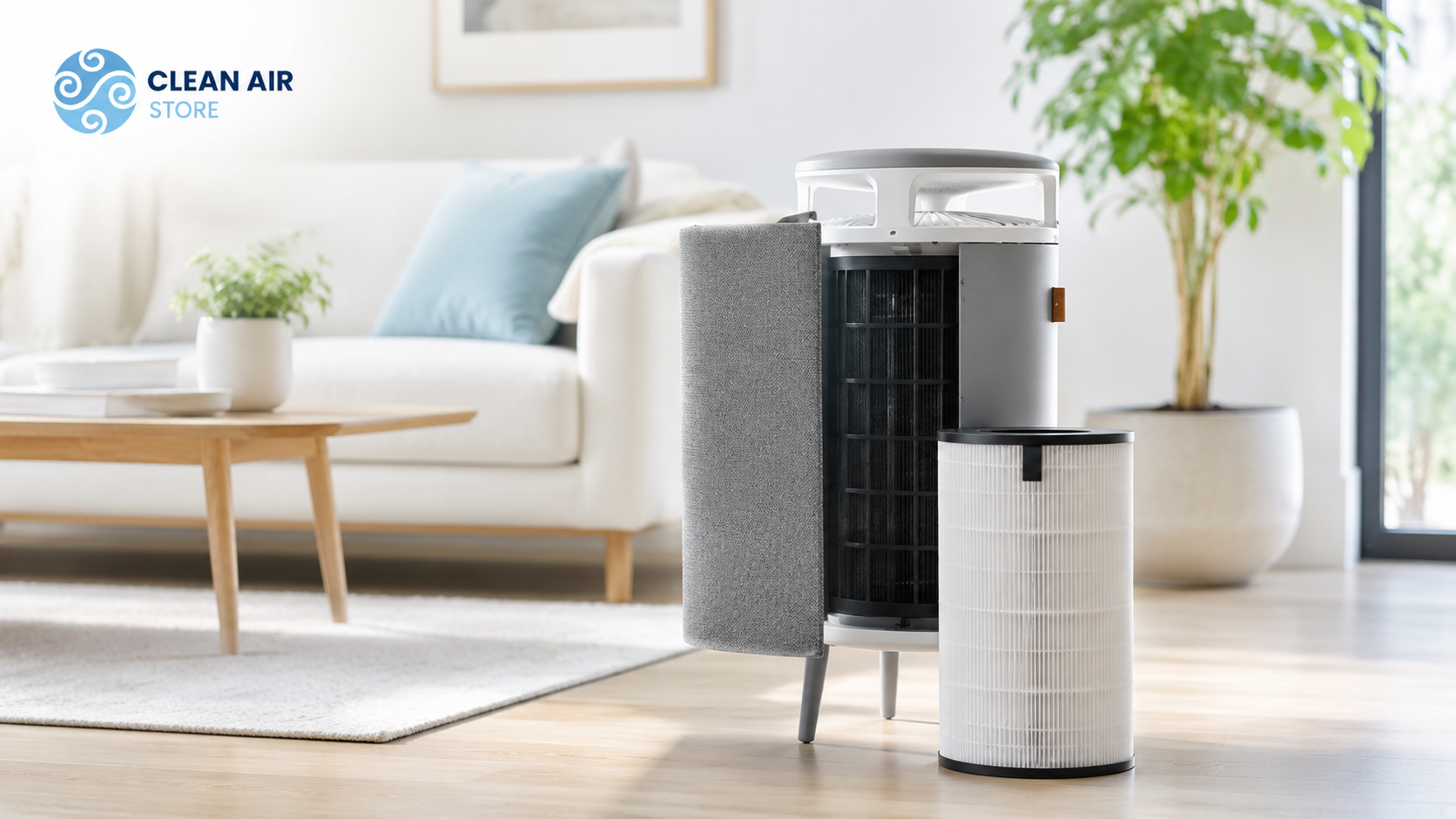
An air purifier filter needs replacement when it becomes too full of dust, smoke particles, pet dander, PM2.5, or indoor odours to work properly. Even if the air purifier is still running, an old or clogged filter can reduce airflow, weaken performance, and make the room feel less fresh than before. Understanding air purifier filter replacement, HEPA filter lifespan, and indoor air quality is important, especially in homes, offices, or shared spaces where smoke, dust, odour, and daily indoor particles are common.
In Nepal, filters may get dirty faster because of road dust, traffic pollution, cooking fumes, incense smoke, pet dander, and seasonal pollution. This is why checking your filter regularly is important, especially if you use your air purifier every day in a bedroom, living room, office, clinic, or family space.
This blog explains the main signs your air purifier filter needs replacement, what happens when the filter is not changed on time, and how using the right genuine replacement filter helps maintain better air purifier performance.
Why Air Purifier Filters Do All the Real Work
The filter is the main part of an air purifier because it captures the particles that pass through the machine. As indoor air moves through the filter, it can help reduce dust, smoke particles, pollen, pet dander, PM2.5, mould spores, and some bacteria-carrying airborne particles.
A good air purifier filter helps with:
- Particle removal: Captures dust, smoke particles, PM2.5, pollen, and pet dander.
- Odour control: Carbon support can help reduce cooking smell, smoke smell, pet odour, and stale room smell.
- Airflow quality: A clean filter allows air to pass through properly.
- Better performance: The purifier works more effectively when the filter is not clogged.
- Cleaner indoor comfort: Helps maintain fresher air in bedrooms, living rooms, offices, and family spaces.
Over time, the filter becomes full of captured particles. When that happens, airflow may become weaker, odour control may reduce, and the purifier may not perform as well as before. That is why timely filter replacement is important.
Clear Signs Your Air Purifier Filter Needs Replacement
The filter usually doesn’t stop working all at once. Instead, it shows gradual signs that its performance is decreasing. You may notice weaker airflow, faster dust buildup in the room, lingering odours, or a filter indicator alert on the device. These are common signs that the filter is reaching its limit and may need replacement. If you are unsure about the right timing, you can also refer to this guide on how often air purifier filters, including Blueair filters, should be changed.
Weak Airflow from the Purifier
If the air coming out of your purifier feels weaker than before, the filter may be clogged with dust, smoke particles, pet dander, or other airborne pollutants. When airflow becomes weak, the purifier may take longer to clean the room, especially in spaces used every day, such as bedrooms, living rooms, offices, or clinics. Weak airflow is one of the clearest signs that your air purifier filter needs checking.
Dust Returns Faster in the Room
Dust settling quickly on tables, shelves, curtains, or room corners can mean the filter is no longer capturing particles as effectively. This happens when the filter is already loaded with dust and fine particles. Homes near busy roads, construction areas, open windows, or dusty surroundings may notice this faster. Before assuming the purifier is not working, check the filter condition first.
Odour Stays Longer Than Before
If cooking smell, pet odour, or stale room smell stays longer than usual, the filter may be losing its odour-control performance. This is especially common if the purifier uses carbon support to help reduce indoor smells.
A filter that is old, loaded, or not replaced on time may not handle odours as well as before. If the room still smells heavy after running the purifier, it may be time to inspect or replace the filter.
The Filter Looks Dirty or Discoloured
A grey, dark, dusty, or heavily covered filter should not be ignored. Some colour change is normal after regular use, but heavy dust buildup can mean the filter is close to replacement. Appearance should not be the only thing you rely on, but visible dirt is still an important warning sign. Check your purifier’s filter indicator or model guide if the filter looks heavily used.
The Air Purifier Sounds Louder
If your purifier sounds louder than usual, the motor may be working harder because air is not passing through the filter easily. This can happen when the filter is clogged or when airflow is blocked. Before replacing the purifier itself, check the filter and make sure the unit is not placed too close to walls, curtains, or furniture.
The Filter Indicator Light Turns On
Many modern air purifiers come with a filter replacement indicator. This alert is designed to remind you when the filter may need replacement based on usage. Do not ignore the filter light. Check your model guide and replace the filter when required so the purifier can continue performing properly.
It Has Been Used for Many Months
Even if the purifier is still running, the filter should be checked regularly. Filter life depends on the model, usage, room size, dust level, smoke exposure, pets, and indoor activities. A purifier used every day in a dusty Kathmandu apartment may need filter checks sooner than one used occasionally in a cleaner room.
Why Filters May Get Dirty Faster in Nepal
Filter life is not the same for every home. In Nepal, some air purifier filters may collect dust and particles faster because of road conditions, traffic exposure, indoor cooking habits, incense use, seasonal pollution, and how often the purifier is used.
Filters may need more frequent checks if your space has:
- Road dust nearby: Homes near busy roads, dry streets, or construction areas may collect dust faster.
- Traffic pollution: Smoke and fine particles can enter through windows, doors, balconies, or ventilation gaps.
- Cooking fumes: Frying, gas cooking, and strong cooking smells can add fine particles and odours indoors.
- Incense, candles, or dhoop: Regular use can release smoke particles that the filter needs to capture.
- Winter pollution: Kathmandu and other urban areas can experience higher PM2.5 levels during colder months.
- Pets, carpets, and curtains: Pet dander, fabric dust, and trapped particles can increase the filter load.
- Closed rooms: Rooms kept closed during winter or monsoon can trap dust, odours, and stale indoor air.
- Daily purifier use: Filters in bedrooms, offices, clinics, or hotel rooms used every day may fill up sooner.
This is why two homes using the same air purifier may not need filter replacement at the same time. Your filter life depends on your environment, usage pattern, and indoor air conditions, not only the product model.
What Happens When the Filter Is Not Replaced on Time?
An old filter does not always stop the purifier from running. The machine may still turn on, but the performance can gradually drop. When the filter becomes clogged, the purifier has to work harder to pull air through, and the room may not feel as fresh as before.
Here is what you may notice when the filter is not replaced on time:
- Weaker airflow: Less air comes out of the purifier, so the room may take longer to feel fresh.
- Dust returns faster: Tables, shelves, curtains, and corners may become dusty again even when the purifier is running.
- Odours stay longer: Cooking smell, incense smoke, pet odour, or stale room smell may not reduce as well as before.
- More noticeable noise: The purifier may sound louder because the machine is working harder to pull air through a clogged filter.
- Lower filtration performance: The purifier may not capture dust, smoke particles, PM2.5, pollen, and pet dander as effectively.
- Reduced long-term efficiency: If filter replacement is delayed for too long, the purifier may still run but may not clean the air at the level you expect.
- Poor fit with the wrong filter: Using a low-quality or incorrect filter can affect airflow, filtration, and overall purifier performance.
For best results, filter replacement should be treated as normal maintenance. Just like replacing a water filter or servicing an AC, changing the air purifier filter helps the appliance continue working properly and keeps indoor air feeling fresher.
Genuine Filters vs Low-Quality Replacement Filters
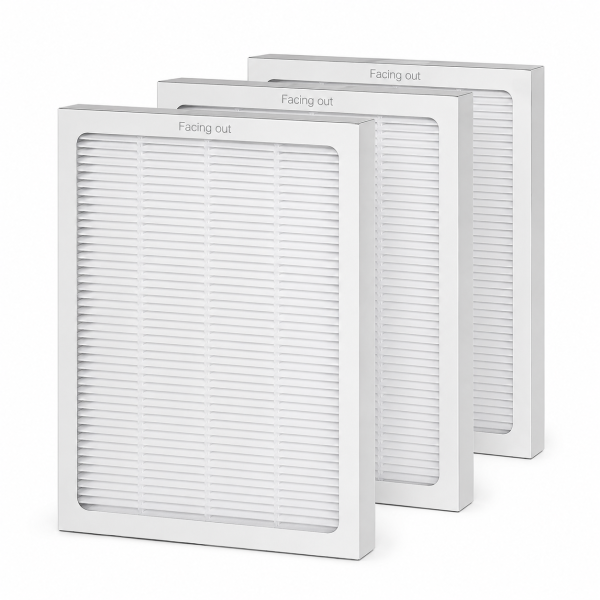
A replacement filter is not just an accessory. It is the part that decides how well the air purifier continues to clean the air. For Blueair users, choosing the correct genuine replacement filter is important for proper fit, airflow, filtration, and long-term performance.
| Comparison Point | Genuine Replacement Filters | Low-Quality or Incorrect Filters |
| Fit with the purifier | Designed for the exact air purifier model | May not fit properly or seal correctly |
| Airflow support | Helps maintain proper airflow through the purifier | May block airflow or allow air to pass around the filter |
| Filtration performance | Made to support the purifier’s original filtration system | May not capture particles as effectively |
| Odour control | Works as intended if the model includes carbon support | May have weaker or unreliable odour control |
| Long-term performance | Helps the purifier continue working properly over time | May reduce performance or make the purifier less effective |
| Peace of mind | Better choice for maintaining your Blueair purifier | May look similar, but may not perform the same |
Using a genuine filter helps your air purifier work the way it was designed to. If you are unsure which filter fits your model, choose the correct Blueair replacement filter in Nepal or ask Clean Air Nepal for guidance before buying.
Blueair Filters Available in Nepal
Clean Air Nepal provides genuine Blueair replacement filters for different Blueair air purifier models. Instead of choosing a filter by price alone, match it with your exact purifier model, room use, and air quality concern. The right filter helps maintain proper airflow, dust removal, odour control, and long-term purifier performance.
For everyday air purifier maintenance, these filter options may be suitable:
- A compact replacement filter designed for Joy S users is suitable for small rooms, personal spaces, and everyday light air purifier use, helping maintain consistent basic filtration.
- A genuine replacement filter designed for Blue 3410 users is ideal for regular home use where dust, airborne particles, and everyday indoor pollutants are commonly present.
- A particle replacement filter made for Classic 200 Series models (including Classic 280i) is suitable for users who need reliable filtration for dust, pollen, smoke particles, and PM2.5 in smaller to medium rooms.
- A replacement filter designed for Classic 400 Series models is ideal for larger rooms, offices, and shared spaces where consistent particle filtration is needed for better indoor air quality.
- A practical replacement filter for DustMagnet 5210i users is suitable for dust-prone bedrooms, apartments, and everyday living spaces that require regular dust control and cleaner airflow.
Before buying, always check your purifier model name first. A filter may look similar, but the fit, airflow, and filtration design can be different. You can explore more Blueair filters in Nepal or ask Clean Air Nepal to help you choose the correct genuine replacement filter for your model.
FAQs
How do I know if my air purifier filter needs replacement?
Common signs include weak airflow, more dust in the room, stale smell, visible dirt on the filter, unusual noise, or a filter replacement alert.
Can I wash my air purifier filter?
Only wash a filter if the manufacturer says it is washable. Many HEPA and carbon filters should not be washed because water can damage the filter material.
What happens if I do not replace my air purifier filter?
The purifier may have weaker airflow, lower performance, reduced odour control, and may need to work harder than usual.
How often should I replace Blueair filters?
It depends on the model, usage, dust level, smoke exposure, and room conditions. Check the filter indicator, product manual, and actual filter condition.
Are genuine Blueair filters available in Nepal?
Yes, Clean Air Nepal provides genuine Blueair replacement filters for different Blueair air purifier models.
Can an old filter make the air purifier smell bad?
Yes, in some cases, an old or heavily used filter may hold dust, smoke particles, or odour, which can make the purifier smell less fresh.
Is a duplicate filter okay for my air purifier?
A duplicate filter may not fit or perform the same as a genuine filter. For better long-term performance, it is safer to use the correct genuine replacement filter.
Where can I buy Blueair filters in Nepal?
You can buy genuine Blueair replacement filters from Clean Air Nepal.