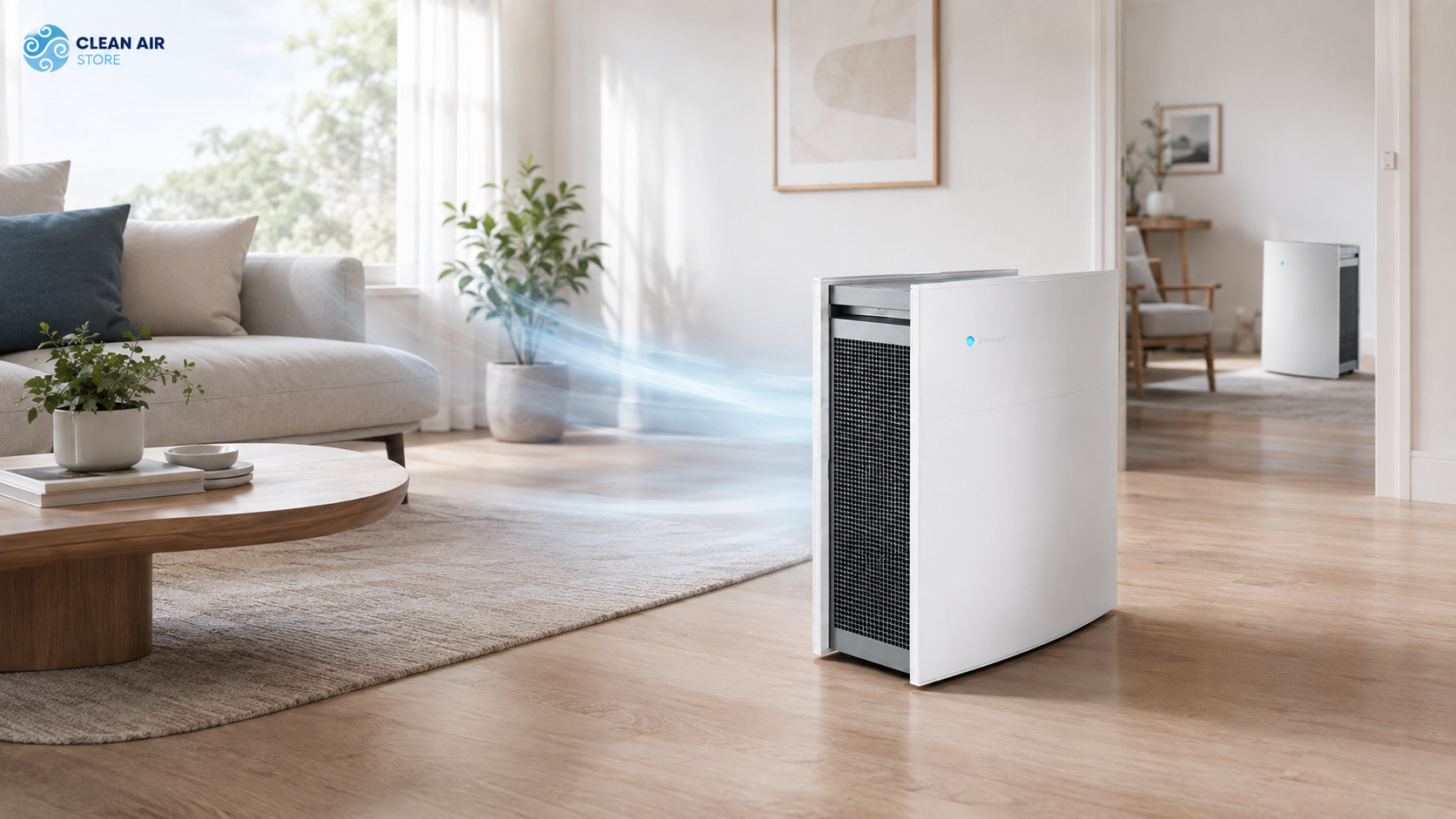
In most homes, running an air purifier continuously is the most effective way to maintain consistent indoor air quality. Airborne particles do not appear only once a day. Dust is disturbed by movement, cooking releases particles and odours, outdoor pollution enters through doors and gaps, and cleaning can temporarily send settled dust back into the air.
This does not mean every purifier must stay on its highest setting all day. A correctly sized unit can run on Auto Mode or a comfortable low to medium speed during normal conditions, then switch to a higher speed when pollution rises. Scheduled use can still help when a room is used only occasionally, but it provides less consistent filtration than continuous operation.
Why Does an Air Purifier Need Time to Work?
An air purifier draws room air through a particle filter and returns filtered air to the same space. A HEPA air purifier, or another independently tested high efficiency system, can capture dust, pollen, pet dander, smoke particles and PM2.5. Activated carbon may reduce some gases and odours. Learn more about this combination of filtration and airflow on the Blueair technology page.
Filtration is continuous rather than permanent. New pollutants can enter or be produced after air has passed through the filter, so the purifier must keep circulating the room air.
Indoor air quality can change throughout the day because of:
- Cooking, frying, toasting or burning food
- Sweeping, vacuuming, dusting and changing bedding
- Opening windows and exterior doors
- Road dust, smoke and PM2.5 entering from outdoors
- Pet movement, incense, candles and tobacco smoke
- People moving and disturbing settled dust
Turning the purifier off as soon as the air looks or smells cleaner stops this repeated filtration. Particle levels may then rise again even when the source is not obvious.
How Long Should You Run an Air Purifier Each Day?
For a frequently used room, aim to run the air purifier for 12 to 24 hours a day. Continuous 24/7 operation provides the most consistent indoor air quality because dust, PM2.5, pollen and other pollutants can enter or be generated throughout the day.
A practical schedule may include:
- Bedroom: Run it for 8 to 12 hours, starting about one hour before bedtime and continuing overnight.
- Living room: Keep it running whenever the room is occupied, usually 8 to 12 hours a day.
- During cooking or cleaning: Use a higher fan speed during the activity and for 30 to 60 minutes afterwards.
- During heavy outdoor pollution: Run it continuously with doors and windows closed until outdoor air quality improves.
- Guest room: Start it one to two hours before use and keep it running while the room is occupied.
There is no single operating time suitable for every home. Room size, purifier capacity, fan speed, pollution level and outdoor air entering the room all affect how long the purifier should run. If the unit has Auto Mode, it can remain on throughout the day and adjust its fan speed according to the particle levels detected by its sensors.
How to Use an Air Purifier Effectively Every Day
Effective daily use depends on more than how long the purifier runs. Fan speed, Auto Mode, room activities, open windows, placement and filter maintenance all influence its performance. The following guidance explains how to adjust these factors for different everyday situations.
Is Air Purifier Auto Mode the Best Everyday Setting?
For a correctly sized unit, air purifier Auto Mode is often the most convenient everyday setting. It raises fan speed when the sensor detects more particles and slows as the air improves, balancing filtration, noise and energy use.
Auto Mode has limits. A particle sensor may not detect every gas or odour, and it reads the air near the unit. Use manual high speed during an obvious pollution event if Auto Mode has not reacted.
What Is the Best Air Purifier Fan Speed?
The best air purifier fan speed is the highest setting that provides the needed filtration while remaining comfortable for regular use. High speed filters more air, while low speed is quieter and uses less electricity.
A practical approach is:
- High speed: Use during cooking, cleaning, smoke, incense or heavy roadside dust.
- Medium speed: Use as a steady daytime setting during moderate conditions.
- Low or Night Mode: Use after the air improves or when noise matters.
- Auto Mode: Use for routine adjustment to detected particle changes.
Do not keep an undersized purifier on its quietest setting and assume it will clean a large room effectively. Room size and airflow matter as much as the filter label.
Should You Run an Air Purifier During Cooking or Cleaning?
Yes. Use high speed before or when an activity begins releasing particles. Continue until the air quality indicator improves or the obvious source has cleared. There is no fixed time because cooking method, room size, ventilation and purifier capacity vary. Keep the unit away from heat, grease and steam. It can capture particles and reduce some odours with suitable carbon, but cannot replace a kitchen exhaust fan.
Is It Beneficial to Run an Air Purifier Overnight?
Yes. Overnight use filters the bedroom while you sleep and may be useful when pollen, pet dander, dust or outdoor PM2.5 enters. Choose a low, medium or Night Mode setting that remains quiet without making airflow ineffective for the room.
Start it before bedtime if the room has been open, cleaned or exposed to pollution. For more context, read about indoor air quality and sleep.
Should You Leave an Air Purifier Running in an Empty Room?
It can make sense when the room will be used soon, or outdoor pollution continues to enter. Auto Mode or low speed can maintain circulation with less noise and energy use.
If a room will remain unused for days or weeks, turning the purifier off may be more practical after controlling pollution sources. Follow the manual when using schedules or app controls.
Can You Open Windows While the Air Purifier Is Running?
An air purifier works most efficiently with windows and exterior doors closed. When outdoor AQI is poor, smoky or dusty, keep them closed as much as practical and run the purifier continuously.
Ventilation still matters because a purifier does not supply oxygen or remove all carbon dioxide and gases. When outdoor air is cleaner, ventilate briefly, close the windows and continue filtration. The purifier may run faster as new particles enter.
How Can You Balance Energy Efficiency and Performance?
Electricity use depends on wattage as well as run time. A device averaging 10 watts for 24 hours uses 0.24 kilowatt hours, while one averaging 40 watts uses 0.96 kilowatt hours. Check the model’s wattage range.
To balance performance and energy use:
- Select a purifier with enough capacity for the measured room.
- Use Auto Mode during normal conditions.
- Use high speed for pollution spikes, then reduce it.
- Close windows when outdoor pollution is high.
- Maintain filters and keep air inlets clear.
Where Should You Place the Air Purifier?
Place the purifier where people spend the most time. Keep its intake and outlet clear, follow the manual’s spacing guidance and avoid curtains, sofas, cabinets and corners.
If pollution enters from one side, position it between that source and the occupied area. Keep it away from steam, grease, water and strong heat.
How Do Filters Affect Continuous Performance?
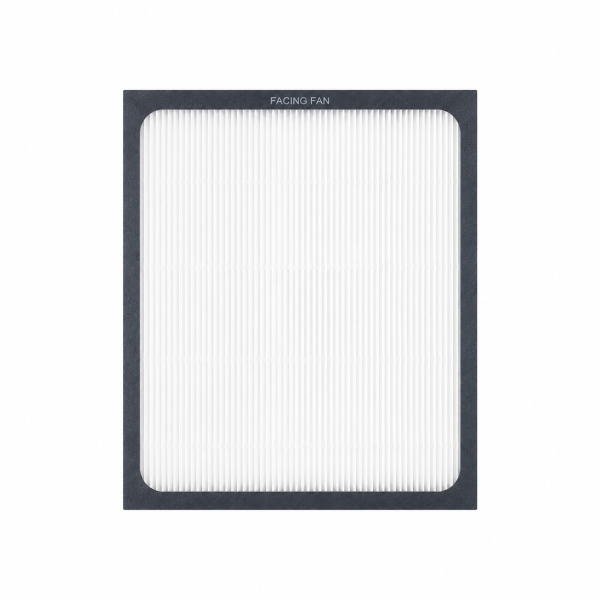
A loaded filter restricts airflow. Clean prefilters and sensor openings as directed, then replace the main filter when the indicator or manufacturer recommends it. Heavy dust, smoke and long daily use can shorten filter life.
Do not wash or vacuum a nonwashable main filter. Confirm that the correct replacement filters are available before buying.
Which Air Purifier Fits Different Daily Routines?
The right air purifier depends on room size, operating time, noise preference and how indoor pollution changes during the day. Cleaning time usually refers to one complete air-filtration cycle, not the time required to remove every pollutant from the room.
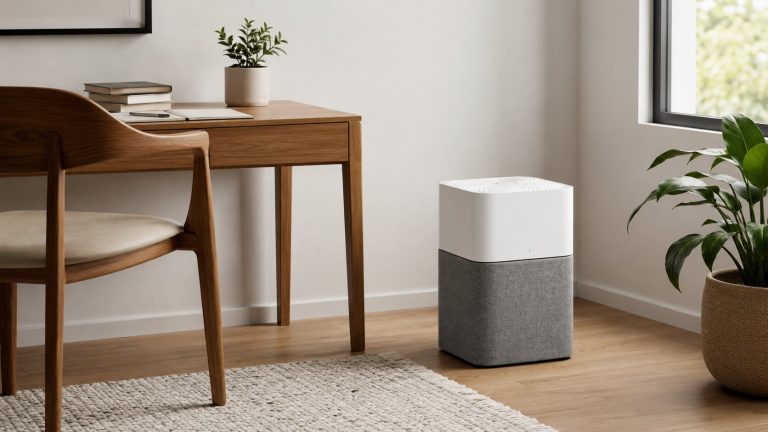
- Designed for rooms up to 15 m², the Blue Pure 411 may suit a small bedroom, study or personal workspace. At the recommended room size and highest fan speed, it can filter the room air approximately five times per hour, completing one filtration cycle about every 12 minutes. Its compact design, 360-degree air intake, three fan speeds and particle-and-carbon filtration support simple daily or overnight use.
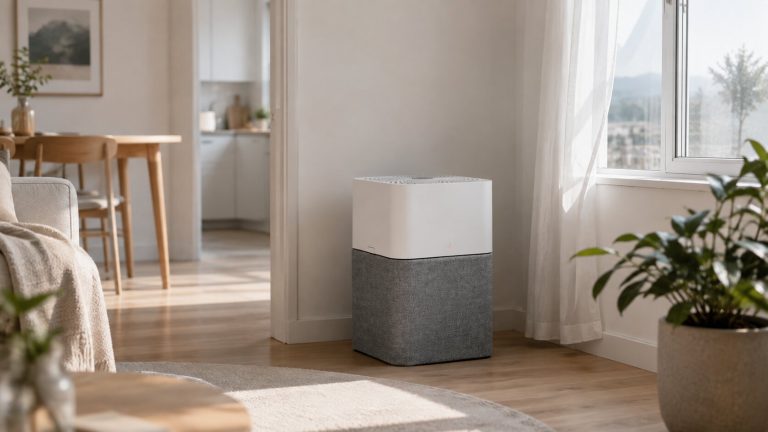
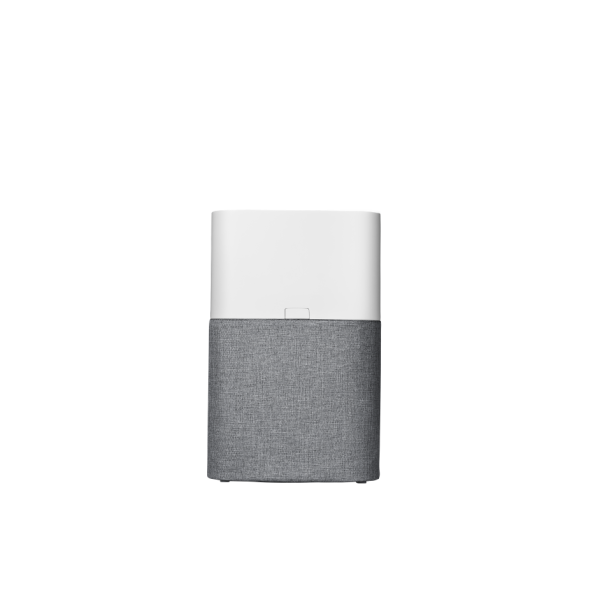
- For a medium bedroom, living room or home office of up to 36 m², the Blue 3410 may be a suitable option. At maximum speed in a correctly sized room, it can complete one air-filtration cycle in approximately 12.5 minutes. Its built-in particle sensor monitors air quality, while Auto Mode adjusts the fan speed as particle levels change, making it practical for continuous everyday use.
These times represent one filtration cycle under specified conditions, not a guarantee that every pollutant will disappear within 12 minutes. Actual performance depends on fan speed, room layout, ceiling height, purifier placement, open doors and windows, and the amount of pollution entering the room.
FAQs
Can I run an air purifier 24/7?
Yes. Most home air purifiers can run continuously when used according to the manual. Auto Mode or low to medium speed is usually practical.
Should an air purifier be on all day if nobody is home?
Yes, especially if outdoor pollution or pets continue affecting the room. Auto Mode or a schedule can reduce unnecessary energy use.
How long should I run an air purifier before sleeping?
Start it before bedtime if the room was open, cleaned or exposed to pollution, then keep it on overnight. Lead time depends on room size, CADR and starting air quality.
Is Auto Mode better than leaving the purifier on low?
Auto Mode adjusts to detected particles. A steady low or medium setting may be better when the sensor does not detect the pollutant or predictable airflow is needed.
What fan speed should I use every day?
Use Auto Mode or medium speed routinely, high during pollution spikes and a quieter setting after the air improves or while sleeping.
How long should I run an air purifier after cooking?
Keep it on high until smoke clears and the particle indicator improves. Timing varies by cooking method, room size, ventilation and purifier capacity.
Does running an air purifier longer clean the air better?
Generally, yes. Longer run times and higher speeds filter more air, but results still depend on sizing, placement and pollution control.
Can I turn off the air purifier once the air quality light is green?
You can, but particles may rise again. Auto Mode or low speed usually maintains more consistent air quality.
Does 24/7 wear out the filter faster?
It may, particularly in dusty or smoky conditions. Follow the filter indicator and manufacturer guidance rather than the calendar alone.
Should I run an air purifier with the windows open?
Close windows when outdoor air is polluted. When it is cleaner, ventilate briefly, close them and continue filtration.