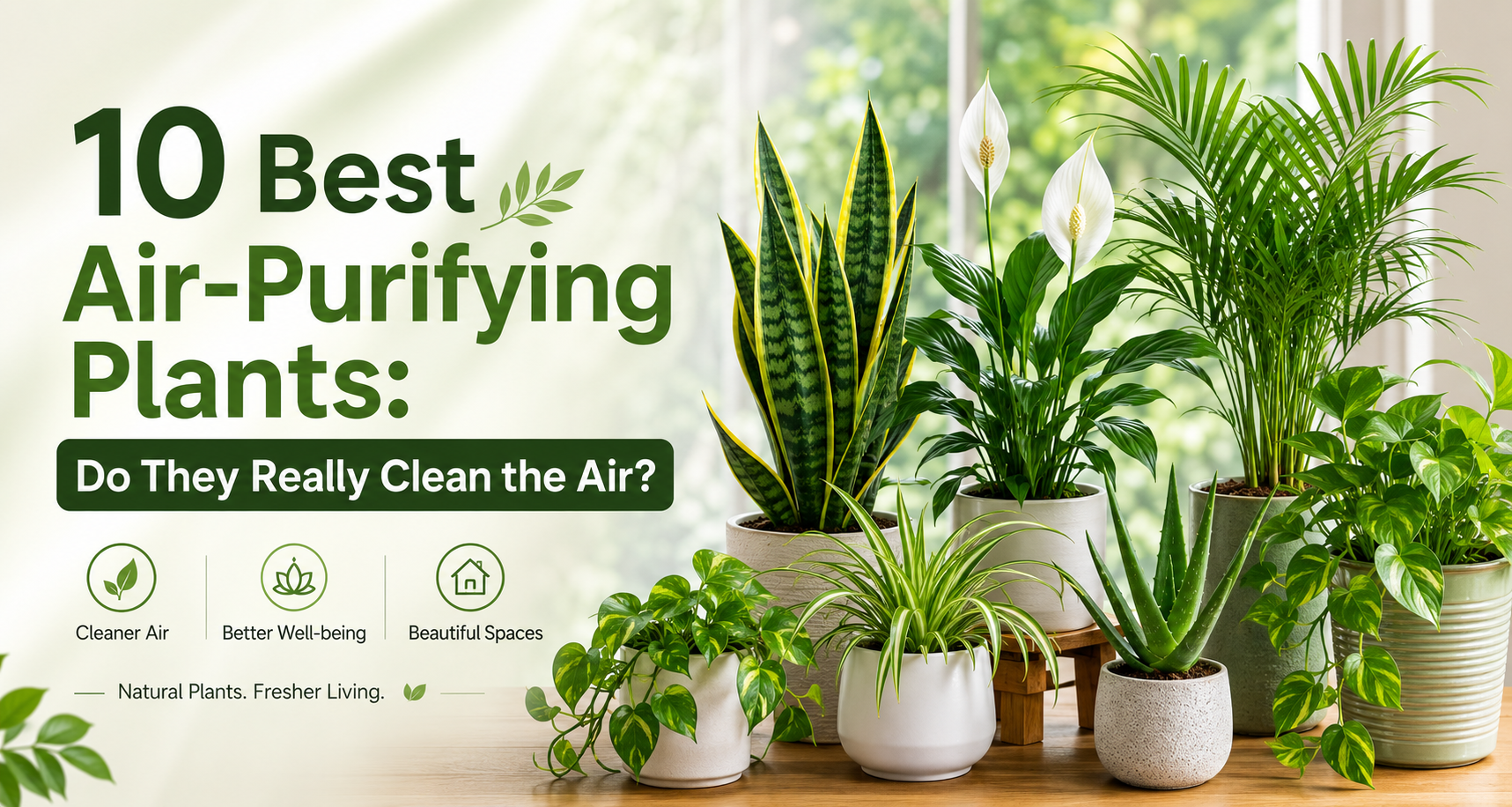
Indoor plants are more than just decoration. They bring freshness, colour, and a calming atmosphere into homes and offices. Over the years, many people have also believed that certain plants can clean indoor air and remove harmful toxins. But do air-purifying plants really work, or is it just a trend?
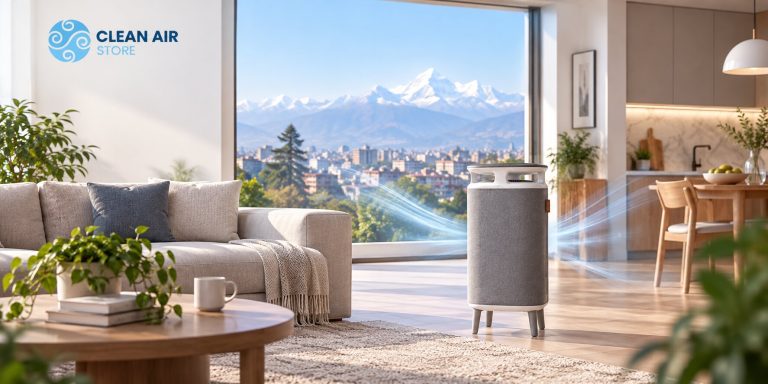
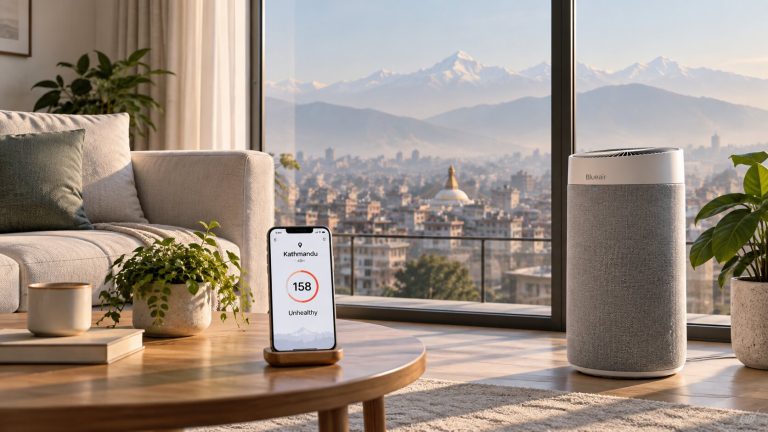
The simple answer is: plants can support a fresher indoor environment, but they are not a substitute for proper ventilation, regular cleaning, or a reliable air purifier. In homes and offices, indoor air often contains dust, PM2.5, smoke particles, pollen, pet dander, odours, and pollution entering from outside. A few plants cannot actively pull air through a filter or clean the room quickly. This is where a good air purifier becomes more useful, especially for homes, bedrooms, offices, and spaces affected by Kathmandu’s dust and urban pollution.
Still, indoor plants are useful. They improve the look of your room, add a natural feeling, support a calm atmosphere, and may help create a better living space. If you are choosing plants for your home in Nepal, it is better to choose plants that are easy to find, easy to care for, and suitable for indoor conditions.
Do Air-Purifying Plants Really Clean Indoor Air?
Air-purifying plants became popular after studies showed that some plants could remove chemicals like formaldehyde, benzene, and VOCs in sealed environments. In everyday environments, homes and offices are very different from sealed test conditions. Indoor spaces contain dust, smoke, cooking smells, furniture chemicals, and constant air movement, making it harder for a few plants to clean the air effectively.
Plants can help create a fresher, more natural indoor environment, but they do not function like mechanical air purifiers. They cannot remove PM2.5, smoke, pollen, pet dander, and fine dust as efficiently as proper air purifiers. While plants are excellent for decoration and comfort, air purifiers are more effective at cleaning the air, especially in polluted cities like Kathmandu.
10 Best Air-Purifying Plants Available in Nepal
Indoor plants have become increasingly popular in Nepal for creating fresher, greener, and more relaxing indoor spaces. Many air-purifying plants are easy to grow indoors and can survive well in Nepal’s climate, making them perfect for homes, offices, apartments, and cafes.
Here are 10 of the best air-purifying plants available in Nepal that are both low-maintenance and suitable for indoor decoration.
1. Snake Plant
Snake Plant, also known as Mother-in-Law’s Tongue, is a popular indoor plant in Nepal. Its tall green leaves lend a clean, modern look, making it suitable for bedrooms, offices, and apartments. It is easy to maintain and can survive in low light with minimal watering.
Why Choose Snake Plant?
- Easy to take care of, even for beginners
- Does not need frequent watering
- Grows well in low to medium indoor light
- Suitable for homes, offices, and bedrooms
- Adds a clean, modern plant look to indoor spaces
- Studied to help reduce certain VOCs like formaldehyde and benzene in controlled conditions
Care Tips
- Keep in indirect sunlight
- Water only when the soil is dry
- Avoid overwatering
2. Money Plant
Money Plant is one of the most common indoor plants in Nepal. Also known as Pothos or Devil’s Ivy, it is easy to grow in both water and soil. Its trailing green leaves add a fresh and natural look to homes, offices, and small indoor spaces.
Why choose Money Plant?
- Can grow in water or soil
- Good for small rooms and offices
- Easy to maintain
- Adds greenery without taking much space
- Commonly mentioned in plant air-quality studies for helping reduce certain VOCs, especially formaldehyde and benzene, under controlled conditions.
Care Tips
Place it in bright indirect light. Change water regularly if grown in a bottle or jar.
3. Peace Lily
Peace Lily is a popular indoor plant known for its dark green leaves and elegant white flowers. It is commonly used in homes, offices, and hotels to create a clean and calming indoor environment. This plant grows well in indirect light and is suitable for shaded indoor spaces.
Why choose Peace Lily?
- Attractive white flowers
- Good for home and office decor
- Suitable for shaded indoor spaces
- Adds a calm and clean look to the room
Care Tips
Keep the soil slightly moist, but do not let the plant sit in water. Avoid harsh direct sunlight.
4. Areca Palm
Areca Palm is a popular indoor and semi-indoor plant in Nepal known for its long, soft green leaves and tropical appearance. It is commonly used in living rooms, offices, hotels, and other large indoor spaces to create a fresh, natural atmosphere. This plant grows best in bright indirect light and is ideal for spacious areas.
Why choose Areca Palm?
- Good for larger indoor spaces
- Adds a fresh tropical look
- Commonly used in homes and offices
- Works well in bright rooms
- Helps improve the overall feel of indoor spaces
Care Tips
Place it near bright indirect light and water when the top layer of soil begins to dry.
5. Spider Plant
Spider plant is a beginner-friendly indoor plant with long, narrow leaves. It is easy to grow and produces small baby plants that can be replanted. It works well in hanging baskets, on shelves, in windows, and in small indoor corners.
Why choose the Spider Plant?
- Easy to grow indoors
- Suitable for hanging baskets
- Good for small rooms and apartments
- Produces baby plants easily
- Studied to help reduce certain indoor chemicals like formaldehyde, xylene, and carbon monoxide
Care Tips
Keep it in bright indirect light and water moderately. Avoid keeping the soil too wet.
6. Aloe Vera
Aloe vera is widely available in Nepal and is used both as an indoor plant and a useful household plant. It has thick, fleshy leaves and can survive in dry conditions. It does not require frequent watering, making it suitable for busy people.
Why choose Aloe Vera?
- Low-maintenance plant
- Good for sunny indoor corners
- Useful household plant
- Suitable for small pots and window areas
Care Tips
Use well-draining soil and avoid overwatering. Aloe vera prefers dry conditions compared to many indoor plants.
7. Rubber Plant
A rubber plant is a strong indoor plant with large, glossy leaves. It is popular in homes, offices, and commercial indoor spaces because it looks premium and can grow well indoors with proper care. Its large leaves can collect dust, so they should be wiped gently from time to time.
Why choose a Rubber Plant?
- Premium indoor look
- Good for living rooms and offices
- Large green leaves
- Suitable for decorative corners
Care Tips
Keep it in bright indirect light and wipe the leaves regularly to remove dust.
8. Dracaena
Dracaena is a stylish indoor plant available in different varieties with attractive green leaves. It is commonly used in offices, living rooms, and indoor corners for its tall, decorative appearance. Dracaena is easy to maintain and grows well in normal indoor light.
Why choose Dracaena?
- Stylish indoor plant
- Good for office corners
- Suitable for medium indoor spaces
- Easy to maintain with moderate care
Care Tips
Keep it away from direct harsh sunlight and water only when the soil starts to dry.
9. Lucky Bamboo
Lucky Bamboo is a common indoor plant in Nepal, mostly kept in homes, offices, shops, and reception areas. It is popular for its small size, attractive appearance, and easy maintenance. Usually grown in water, Lucky Bamboo is a good choice for adding greenery to small indoor spaces.
Why choose Lucky Bamboo?
- Good for desks and small tables
- Can grow in water
- Low-maintenance
- Suitable for offices, shops, and homes
Care Tips
Use clean water and change it regularly. Keep it in indirect light.
10. Boston Fern
Boston Ferns are excellent for increasing humidity indoors. They have soft, feathery green leaves that make any space look fresh and natural. This plant is especially useful in dry indoor environments because it helps maintain moisture in the air and improves overall room comfort.
Why choose Boston Fern?
- Helps reduce dry air
- Great for bathrooms and balconies
Care Tips:
- Needs regular misting
- Keep away from direct heat
Can Plants Remove Dust, Smoke, and PM2.5?
Plants may make a room feel fresher and more natural, but they do not effectively remove dust, smoke, or PM2.5 as an air purifier does. Fine particles like dust, pollen, pet dander, and smoke require active filtration, which plants cannot provide because they do not draw air through a mechanical filter.
In cities like Kathmandu, indoor air is often affected by road dust, construction particles, cooking smoke, seasonal haze, and outdoor pollution entering through windows and doors. Because of this, plants alone are not enough to maintain clean indoor air, especially in highly polluted or busy urban areas.
Plants are best for:
- Improving indoor appearance
- Creating a calm, natural environment
- Adding greenery to homes and offices
Air purifiers are better for:
- Dust and PM2.5 removal
- Smoke and cooking particles
- Pollen and pet dander
- Polluted or high-traffic areas
Air-Purifying Plants vs Air Purifiers
| Feature | Indoor Plants | Air Purifiers |
| Main purpose | Add greenery, freshness, and comfort | Actively clean indoor air through filtration |
| Dust and PM2.5 removal | Very limited in real homes | More effective with proper filtration |
| Smoke and odours | Limited effect | Helps reduce smoke particles and certain odours |
| Pollen and pet dander | Not reliable | Helps capture airborne allergens and pet particles |
| Speed of cleaning | Slow and not measurable | Works faster by pulling air through filters |
| Kathmandu pollution | Not enough alone for dust and traffic pollution | More practical for dusty and polluted indoor spaces |
| Maintenance | Needs watering, sunlight, and trimming | Needs filter replacement and basic cleaning |
| Best use | Decor, greenery, and a natural indoor feel | Real indoor air cleaning for homes and offices |
Best Alternative Air Purifiers for Indoor Plants
Indoor plants can make a room feel fresh and natural, but they are not enough to effectively clean the air in dusty or polluted spaces. For dust, PM2.5, smoke particles, pollen, pet dander, and outdoor pollution, a good air purifier is more practical because it actively pulls air through a filter and helps clean indoor air more consistently.
For small to medium rooms, a Blueair model like the Blueair Blue 3410 Air Purifier can be a good option for bedrooms, apartments, study rooms, and small offices. For homes where dust settles quickly on furniture, floors, and shelves, the Blueair DustMagnet 5440i Air Purifier is a better fit because it is designed for everyday dust-heavy indoor spaces.
For larger rooms, offices, clinics, and high-use indoor areas, a premium option like the Blueair HealthProtect 7470i Air Purifier can provide stronger air purification with smart features and advanced Blueair filtration technology. So, plants are useful for greenery and comfort, but air purifiers are the better choice when your main goal is cleaner indoor air.
Which Is Better: Plants or Air Purifiers?
Plants and air purifiers serve very different purposes, so it is not really a competition between the two. Indoor plants mainly improve the look and feel of a space. They bring greenery, reduce stress, and make rooms feel more natural and relaxing. However, their effect on actual air cleaning is very limited and insufficient to handle polluted indoor environments.
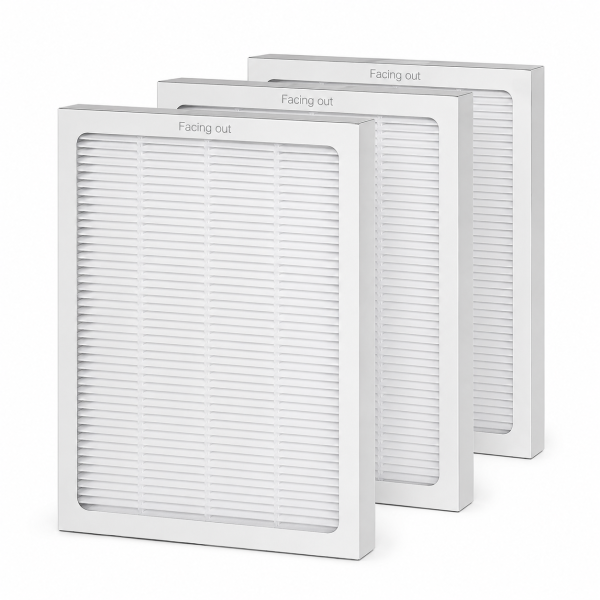
Air purifiers, on the other hand, are designed specifically to clean indoor air. They use filters (like HEPA filters) to capture dust, PM2.5, smoke particles, pollen, pet dander, and other fine pollutants. This makes them much more effective in cities like Kathmandu, where indoor air quality is often affected by traffic, construction dust, and seasonal pollution.
The most practical approach is to combine both. Plants can improve mood and aesthetics, while air purifiers handle real air purification. Along with these, regular cleaning and proper ventilation are also important for maintaining healthy indoor air quality.
Best approach for healthy indoor air:
- Use indoor plants for decoration and a calming environment
- Use air purifiers for removing dust, smoke, and PM2.5
- Clean floors, furniture, and fabrics regularly
- Replace air purifier filters on time
- Ventilate rooms when outdoor air quality is good
FAQs
Do air-purifying plants really work?
They can make indoor spaces feel fresher, but they do not clean the air effectively enough to replace an air purifier.
Which plant purifies the air the most?
Snake plant, peace lily, money plant, and spider plant are commonly used, but no plant can fully purify indoor air in real homes.
Which plant removes 78% of airborne mould?
English ivy is often linked to this claim, but the result comes from controlled conditions and should not be treated as guaranteed for normal homes.
Do air purifiers make indoor air dry?
No. Air purifiers filter air; they do not remove moisture like a dehumidifier.
Can air purifiers help with allergies?
Yes, they can help reduce airborne dust, pollen, pet dander, and fine particles that may trigger allergies.
Can air purifiers help with sleep apnea?
Air purifiers do not treat sleep apnea, but they may help create a cleaner bedroom environment by reducing airborne irritants.
Which indoor plants are good for eczema?
Plants do not treat eczema, but low-maintenance plants like snake plant, money plant, and lucky bamboo are safer choices when kept clean and not overwatered.