Most winter mornings in Kathmandu Valley can feel beautiful at first. The light is soft, the hills are visible, and the air outside your window may look calm and clean. But indoor air tells a different story. Inside our homes, offices, apartments, clinics, and hotel rooms, the air can carry road dust, traffic exhaust, construction particles, incense smoke, allergens, and fine particles of pollution that we cannot see. A room may look clean, but the air inside it may still need proper filtration.
According to IQAir’s 2024 data, Kathmandu’s annual average PM2.5 level was around nine times higher than the WHO guideline. PM2.5 refers to very fine air pollution particles that are too small to see but can enter the lungs when we breathe. But once you start comparing options, one question quickly comes up: should you buy a cheap air purifier or invest in a premium one? At first, the cheaper option may look like the better deal, but with air purifiers, the real difference is not only the price. It is the filter quality, CADR, room coverage, noise level, warranty, service, and long-term value.
In this guide, we explain the real difference between cheap and premium air purifiers in Nepal, so that you can choose the right option for your home, bedroom, office, or family.
What Makes a Premium Air Purifier Different?
A premium air purifier is designed for stronger, more reliable, and more consistent performance. It usually focuses on better filtration, stronger airflow, quieter operation, energy efficiency, smart sensors, durable build quality, and proper after-sales support.
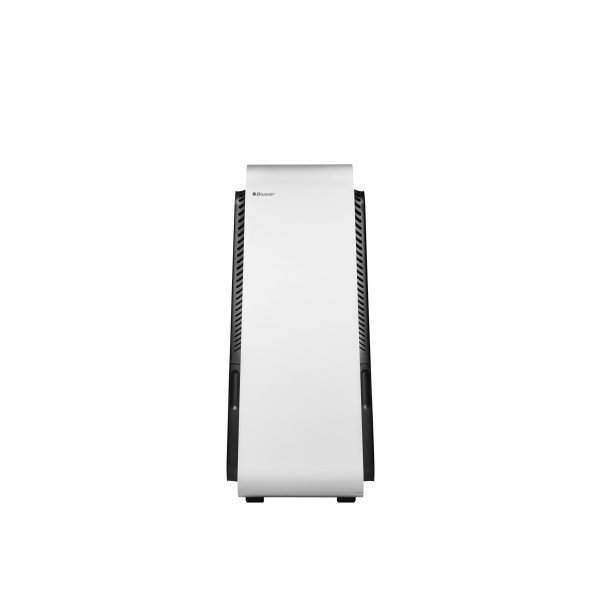
For example, premium Blueair air purifiers are designed for different room sizes and use cases, including bedrooms, living rooms, offices, clinics, cars, and larger indoor spaces. Depending on the model, they may include advanced filtration, auto mode, air quality sensors, quiet operation, and genuine replacement filters.
The Biggest Difference Is CADR, Not Just Price
CADR, or Clean Air Delivery Rate, shows how quickly an air purifier can deliver clean air into a room. The higher the CADR, the faster and more effectively the purifier can clean a suitable space. This matters because a small purifier may work well in a bedroom, but may not be strong enough for a large living room, office, clinic reception, or apartment hall. For example, a model like DustMagnet 5240i can be a better fit for larger or more frequently used rooms where stronger air cleaning performance is important.
Before choosing an air purifier, check:
- Room size: Is the purifier suitable for your space?
- CADR: Can it clean the air fast enough?
- Coverage area: Is it made for a bedroom, living room, office, or large room?
- Air quality needs: Is your area dusty, polluted, or close to traffic?
A cheaper purifier with low CADR may not give the result you expect, especially in dusty or polluted areas.
Filter Quality Matters More Than Fancy Looks
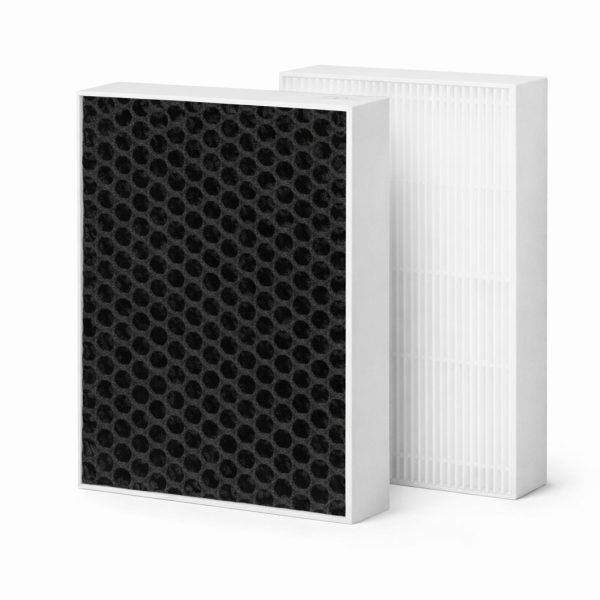
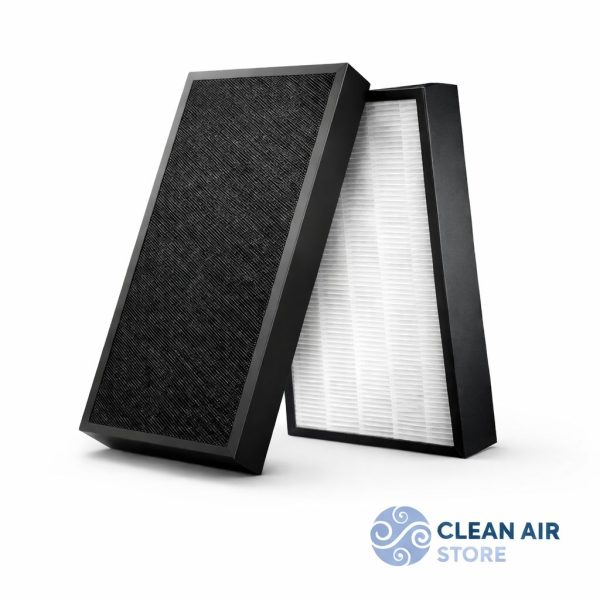
The filter is the heart of an air purifier. A purifier may look modern from the outside, but its real performance depends on the filter quality, airflow system, and how well the filter fits inside the unit. A good air purifier should help reduce airborne particles such as dust, pollen, smoke particles, pet dander, mould spores, and PM2.5. Premium models like HealthProtect 7770i are designed with proper filtration systems and genuine replacement filters, which help maintain long-term performance.
When comparing filters, check:
- Particle filtration: Can it help reduce dust, pollen, smoke particles, and PM2.5?
- Activated carbon support: Can it help reduce odours, cooking smells, and smoke smells?
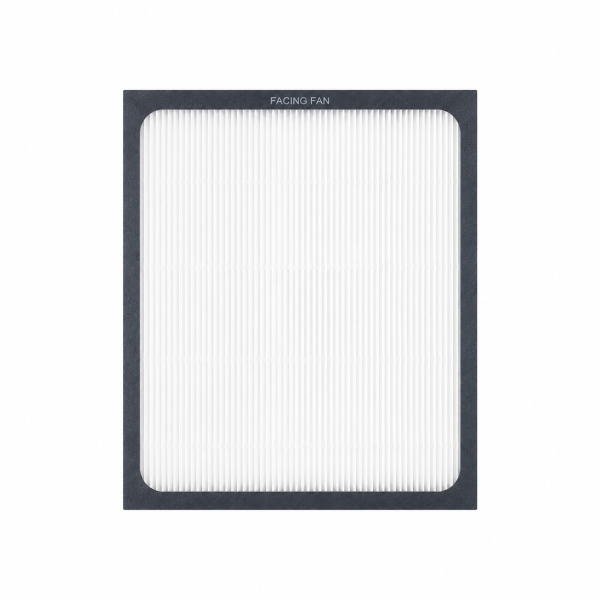
- Filter fit and sealing: Does air pass through the filter properly, or leak around it?
- Replacement filter availability: Are genuine filters available in Nepal?
- Long-term value: Will the purifier still perform well after the first filter cycle?
A cheap purifier with poor filter quality or unavailable replacement filters may become less useful over time, even if it looks good at first. That is why genuine filters are a major part of long-term value.
Room Size and Placement Make a Big Difference
One air purifier cannot perform the same way in every room. A bedroom, living room, office, clinic, hotel room, and car all need different levels of airflow, coverage, and filtration. For smaller spaces such as bedrooms or compact home offices, a model like Blueair Blue 3410 may be suitable, depending on the room size and air quality needs. Before choosing or placing an air purifier, check:
- Room size: Is it suitable for the space?
- Room type: Is it for a bedroom, living room, office, hotel room, or car?
- Airflow space: Is there enough open space around it?
- Placement: Is it away from blocked corners, curtains, or furniture?
- Purpose: Do you need quiet use, wider coverage, or dust control?
Even a good air purifier may not work effectively if it is too small for the room or placed in the wrong spot. Choose the model based on where you will use it most.
Noise Level Matters More Than People Think
An air purifier works best when it is used regularly, but if it is too noisy, people often turn it off, especially at night. A good air purifier should be powerful enough to clean the air, but quiet enough for daily use in the background. For example, a model like Blueair Classic 405 can be considered for everyday indoor spaces where consistent air cleaning and comfortable use matter, depending on the room size and noise preference.
Noise level is especially important for:
- Bedrooms: Quiet operation helps during sleep.
- Children’s rooms: Low noise makes daily use more comfortable.
- Elderly care rooms: A calm indoor environment matters.
- Study rooms and offices: Less noise means better focus.
- Clinics and hotel rooms: Quiet performance improves comfort.
A quiet purifier that runs every day is more useful than a loud purifier that stays switched off.
Smart Sensors and Auto Mode Are Useful in Nepal
Some people think smart sensors and auto mode are just extra features, but they can be very useful in Nepal because indoor air quality can change quickly. Cooking, incense smoke, open windows, traffic dust, cleaning, pets, and outdoor pollution can all affect the air inside your room. A model like HealthProtect™ 7770i can be considered for larger indoor spaces where consistent air cleaning and smarter air quality response matter.
Smart sensors and auto mode can help by:
- Detecting air changes: The purifier can sense when indoor air quality gets worse.
- Adjusting fan speed: Auto mode can increase or reduce speed as needed.
- Reducing manual work: You do not have to keep changing settings yourself.
- Supporting daily use: Useful for busy homes, offices, clinics, and family spaces.
This makes the purifier easier to use every day, especially for people who want cleaner indoor air without constantly adjusting the machine.
Warranty, Service, and Filter Availability Are Part of the Real Cost
The price you pay on the first day is not the full cost of an air purifier. The real value depends on how long the purifier lasts, how easy it is to maintain, and whether genuine filters and support are available in Nepal. For example, choosing a supported model like Blueair Classic 480i can make long-term use easier when replacement filters, warranty, and local guidance are available.
Before buying, check:
- Product lifespan: Will the purifier last with regular use?
- Filter availability: Are genuine replacement filters available in Nepal?
- Warranty: Is the warranty clear and reliable?
- Local support: Can you get help if you need service or guidance?
- Running cost: What will filters and electricity cost over time?
A cheap purifier may cost less at first, but it can become expensive later if filters are hard to find, service is poor, or the product does not last.
Why Not All Air Purifiers Work the Same Way?
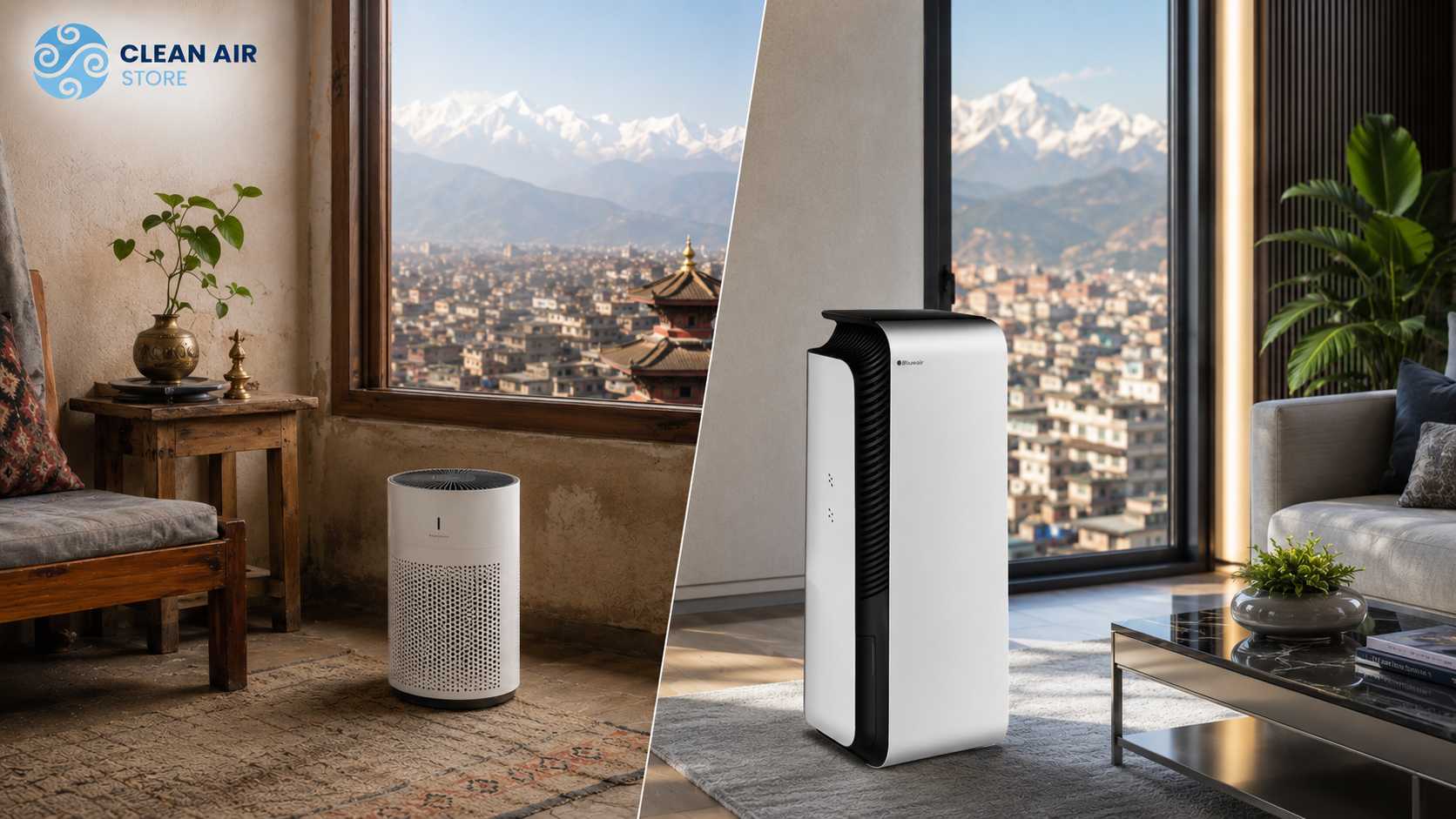
Not all air purifiers work the same way. A cheaper model may look similar from the outside, but the real difference is in filtration, clean air delivery, noise level, filter availability, and long-term support.
| What to Compare | Cheap Air Purifier | Premium Air Purifier |
| Filter quality | Basic filter, may only handle visible dust | Better filtration for fine particles like dust, smoke, pollen, and PM2.5 |
| CADR and coverage | May work only in small rooms | Better suited for the room size it is designed for |
| Noise level | Can become loud at higher speeds | Usually quieter for regular daily use |
| Odour control | May not handle smells well | Some models include carbon support for odours and smoke smell |
| Filter availability | Replacement filters may be hard to find | Genuine filters are easier to replace through supported channels |
| Long-term value | Lower upfront price, but may cost more later | Higher upfront price, but better for regular long-term use |
| Warranty and support | May be limited or unclear | Better warranty, service, and local guidance |
A good air purifier is not just the one with the lowest price. It is the one that fits your room, filters properly, runs quietly, and has replacement filters available when you need them.
When Is a Cheaper Air Purifier Enough?
A cheaper air purifier may be enough if you are using it in a small room with light dust or odour concerns. For example, a compact model like Blue 411 may be suitable for smaller bedrooms or personal spaces, depending on the room size and air quality needs. It can be a practical choice for basic use, as long as the purifier has a proper filter, enough coverage for the room, and replacement filters available when needed.
However, even when choosing a budget option, do not buy only because the price is low. Always check the room size, CADR, filter type, noise level, and replacement filter availability before making a decision. If the purifier is too small or the filter is hard to replace, it may not give you the value you expect.
When Should You Choose a Premium Air Purifier?
A premium air purifier is usually a better choice if you live in a dusty or polluted urban area, especially near traffic, construction, or busy roads. It is also a smarter option for homes with children, elderly parents, allergy-sensitive family members, or people who spend long hours indoors. For example, a model like DustMagnet 5440i may be suitable for family spaces where dust control, better coverage, and long-term performance matter.
You should consider a premium air purifier for:
- Bedrooms used every night
- Living rooms or shared family spaces
- Offices and meeting rooms
- Clinics, reception areas, or hotel rooms
- Homes near roads, dust, or construction
- Spaces where quiet daily performance matters
In these situations, stronger performance, better filtration, genuine filters, warranty, and local support can make a real difference.
How to Choose the Right Air Purifier?
Before buying an air purifier in Nepal, do not choose only by price or design. The right air purifier should match your room size, air quality concerns, daily usage, and filter availability. For example, a product like Blueair Cabin Car Air Purifier P2i is made for car use, while a bedroom, living room, or office will need a different model based on space and coverage.
Before buying, check:
- Room size: How large is the space you want to clean?
- CADR and coverage: Can the purifier clean that room properly?
- Filter type: Does it help reduce dust, smoke particles, pollen, and PM2.5?
- Noise level: Is it quiet enough for daily or nighttime use?
- Filter replacement: Are genuine filters available in Nepal?
- Warranty and service: Is local support available when needed?
- Actual use: Is it for a bedroom, office, living room, clinic, hotel room, or car?
The right purifier for a small bedroom may not be right for a large living room, office, or car. If you are unsure, it is always better to ask for guidance before buying.
Final Thoughts
The real difference between cheap and premium air purifiers is not just the price. It is the Choosing an air purifier does not have to be complicated, but it should be done carefully. A cheap air purifier may be enough for a small room with light dust or odour concerns, but for regular daily use in bedrooms, living rooms, offices, clinics, elderly care rooms, or dusty urban homes, a premium air purifier can offer better long-term value.
The real difference is not just the price. It is the CADR, filter quality, room coverage, noise level, genuine filter availability, warranty, and local support. At Clean Air Nepal, the goal is not to recommend the most expensive model, but to help you choose the right Blueair air purifier for your room size, lifestyle, and indoor air needs.
FAQs
Are cheap air purifiers effective?
Cheap air purifiers can be effective in small rooms if they have a good filter and enough power for the space. However, they may not perform well in larger rooms or areas with heavy dust and pollution.
What is the best air purifier at a reasonable price?
The best air purifier at a reasonable price is one that matches your room size, has good filtration, runs quietly, and has replacement filters available in Nepal. Do not choose only by the lowest price.
Do more expensive air filters make a difference?
Yes, good quality filters make a difference. They can capture finer particles like dust, pollen, smoke particles, and PM2.5 more effectively than low-quality or non-genuine filters.
Do more expensive air purifiers work better?
In many cases, yes. Premium air purifiers usually have better filters, stronger airflow, quieter performance, better sensors, and longer-lasting build quality.
What is the difference between a cheap air purifier and a good-quality air purifier?
A cheap air purifier usually offers basic air cleaning. A good quality air purifier gives better filtration, higher clean air delivery, quieter use, stronger durability, and more reliable long-term performance.
Is CADR important when buying an air purifier?
Yes, CADR is important because it shows how quickly an air purifier can clean the air in a room. A higher CADR is usually better for larger rooms.
Why are replacement filters important?
Replacement filters are important because an air purifier cannot work properly with an old or clogged filter. Always check if genuine filters are available before buying a purifier.
Is a premium air purifier worth it for Kathmandu homes?
Yes, a premium air purifier can be worth it for Kathmandu homes, especially if you live near traffic, construction, dust, or polluted areas. It is also useful for families with children, elderly parents, or allergy-sensitive people.
Can one air purifier clean the whole house?
Usually, no. Most air purifiers are designed for one room. For best results, place the purifier in the room where you spend the most time, such as the bedroom, living room, or office.