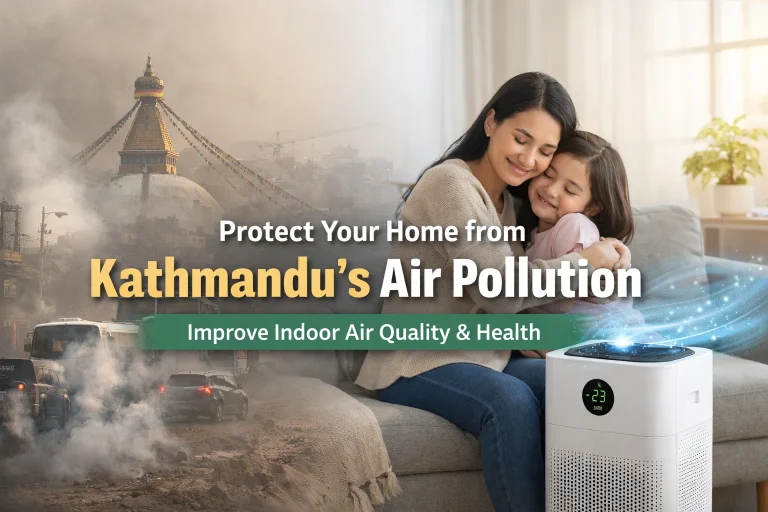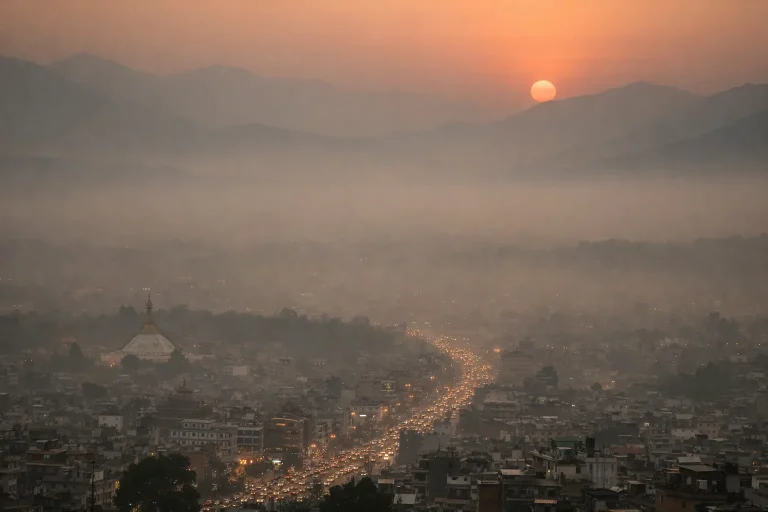
Air pollution in Kathmandu has become a serious concern for residents, especially during dry and winter seasons. Fine dust, vehicle emissions, construction work, and smoke from multiple sources collectively degrade air quality, affecting both outdoor and indoor environments.
According to Air Quality Index (AQI) data from platforms like IQAir and the World Health Organization, Kathmandu frequently records unhealthy air levels, often exceeding safe limits for human health.
An AQI level above 150 is considered unhealthy, meaning it can cause breathing difficulties, irritation, and increase the risk of respiratory diseases, especially for sensitive groups. In many cases, Kathmandu’s air quality remains above this level for several months each year, making it a serious long-term health concern.
Many people assume that staying inside keeps them safe, but indoor air pollution in Nepal can be just as harmful. Pollutants such as dust, smoke, and allergens can accumulate inside homes, especially in areas with limited ventilation. This is why investing in an air purifier in Kathmandu is no longer a luxury but a necessity.
Why Do You Need an Air Purifier?
An air purifier works by filtering out these harmful particles using technologies like HEPA filters, which can capture even very fine particles. This helps improve indoor air quality, making it easier to breathe, especially for children, elderly family members, and people with asthma or allergies.
Here’s why every home in Kathmandu should consider using one:
1. Removes Dust and Pollution
Kathmandu experiences high levels of dust, especially during the dry and winter seasons. An air purifier helps filter out these harmful particles using advanced filtration systems like HEPA filters, which can capture up to 99.97% of airborne pollutants, including dust, smoke, and microscopic particles. Even when doors and windows are closed, these pollutants can still enter and accumulate indoors, making indoor air quality just as poor as outside.
By continuously cleaning the air inside your home, an air purifier reduces dust buildup on surfaces, improves breathing comfort, and creates a noticeably cleaner and fresher indoor environment.
2. Reduces Allergies and Respiratory Issues
Air purifiers are highly effective in reducing allergens such as pollen, dust mites, and pet dander, which are common triggers for allergies and asthma. In a polluted environment like Kathmandu, these particles can worsen respiratory conditions and cause frequent discomfort.
By filtering them out, air purifiers help reduce symptoms like sneezing and coughing. This creates a healthier indoor space, especially for individuals with asthma or allergies, making breathing easier and improving overall comfort throughout the day.
By filtering them out, air purifiers create a more comfortable and healthier environment, especially for sensitive individuals.
3. Eliminates Bacteria and Viruses
Advanced air purifiers are designed to capture microscopic particles, including bacteria and some airborne viruses, using high-efficiency filtration systems. In highly populated urban areas like Kathmandu, indoor air can carry harmful microorganisms that increase the risk of illness, especially during seasonal changes. Conditions such as flu, viral infections, and respiratory illnesses often become more common due to pollution and poor air quality.
By continuously filtering the air, purifiers help reduce the spread of airborne diseases, improve indoor air quality, and create a cleaner, safer living environment in your home.
4. Improves Sleep Quality
Clean air plays an important role in improving sleep quality by reducing dust and allergens that can disrupt breathing at night. When the air is free from dust and allergens, it becomes easier to breathe comfortably at night.
Poor air quality often leads to congestion, coughing, or discomfort, which can interrupt sleep. An air purifier helps create a cleaner breathing environment, allowing you to rest more comfortably. With fewer disturbances, you can experience deeper, uninterrupted sleep, leading to better energy levels, improved focus, and overall well-being during the day.
5. Protects Children and Elderly
Children and elderly individuals are more vulnerable to air pollution due to weaker or developing immune systems. Poor indoor air quality can lead to frequent illnesses, respiratory issues, and discomfort. An air purifier helps remove harmful particles from the air, creating a safer and cleaner environment for these sensitive groups.
Improving indoor air quality not only supports better breathing but also strengthens overall well-being. It reduces daily exposure to pollutants, lowers the risk of health complications, and ensures a more comfortable, safer, and more protective living space for your loved ones.
6. Keeps Your Home Cleaner
Airborne dust and particles eventually settle on furniture, floors, and other surfaces, making your home dirtier faster. In Kathmandu, where dust levels are high, this can become a daily issue. By capturing these particles before they settle, air purifiers help reduce dust buildup, keeping your home cleaner for longer.
This not only helps reduce visible dust but also captures microscopic pollutants that are harmful to health. As a result, your home stays cleaner for longer, and the air you breathe becomes fresher and safer, making your living space more comfortable and easier to maintain.
7. Reduces Indoor Odours
Indoor air can often contain unpleasant odours from cooking, smoke, or pets, which can reduce comfort and make your home feel less fresh. In homes with limited ventilation, these smells can stay and build up over time.
Air purifiers equipped with activated carbon filters are specifically designed to absorb and neutralize these unwanted smells. Unlike regular filters, carbon filters trap odour-causing gases and chemicals, helping to eliminate the source rather than just masking it. At the same time, the purifier continues to remove dust, allergens, and other pollutants from the air.
By continuously cleaning and refreshing the air, an air purifier helps maintain a cleaner, fresher, and more pleasant indoor environment. This not only improves comfort but also creates a healthier living space where the air feels lighter, cleaner, and easier to breathe.
8. Protects against urban pollution
Living in a busy city like Kathmandu means constantly being exposed to traffic emissions, construction dust, and various urban pollutants. These harmful particles can easily enter your home through windows, doors, and ventilation systems, gradually affecting indoor air quality without you noticing. Over time, this can make indoor air just as polluted as the air outside.
An air purifier acts as a protective barrier by continuously circulating and filtering the air inside your home. Equipped with advanced filters like HEPA and activated carbon, it captures fine particles, smoke, and harmful gases before they can accumulate.
This reduces daily exposure to harmful pollution, keeps indoor air cleaner and safer to inhale, and creates a healthier living environment in your home for people of all ages and health backgrounds.
9. Supports Long-Term Health
Continuously breathing polluted air can lead to serious long-term health issues, such as respiratory diseases, heart problems, and weakened immunity.
Using an air purifier regularly helps reduce the amount of harmful particles you inhale every day. By removing fine dust, allergens, and pollutants from the air, it supports better lung function and makes breathing easier, especially for individuals with asthma or allergies.
With regular use, this consistent improvement in air quality helps enhance immunity and support overall well-being. It also reduces the risk of pollution-related health problems, helping you maintain a healthier, more comfortable lifestyle.
10. Creates a More Comfortable Living Environment
Clean air not only improves physical health but also enhances comfort at home. Poor air quality is often linked to fatigue, headaches, irritation, and difficulty concentrating.
An air purifier helps by continuously removing dust, allergens, and other airborne pollutants, creating a fresher and lighter indoor atmosphere. When the air is cleaner, you may experience better focus, reduced discomfort, and improved energy levels.
With clean and purified air, an air purifier transforms your living space into a more relaxing, healthy, and productive environment. It makes your home a place where you can truly feel comfortable and at ease.
Signs You Need an Air Purifier Soon
If dust settles quickly on furniture, you sneeze often, or the air feels heavy indoors, it may indicate poor air quality. In Kathmandu, fine dust and smoke can easily enter homes and accumulate over time, causing headaches, a dry throat, or breathing discomfort, especially in the mornings or at night.
If children or elderly family members frequently experience allergies, coughing, or other respiratory issues, it may indicate that your indoor air is not clean. Using an air purifier can help remove pollutants, improve air quality, and create a healthier, more comfortable home.
Common Signs to Watch For:
- Frequent sneezing, coughing, or allergy symptoms indoors
- Breathing discomfort, especially at night or early morning
- Increased asthma or respiratory issues among family members
- Difficulty sleeping due to congestion or poor air quality
Make Your Home Safer with Clean Air
With rising air pollution in Kathmandu, an air purifier is an easy and efficient way to protect your health and improve your home environment.
Choose an air purifier that fits your room size, budget, and needs. To improve sleep, reduce health risks, and keep your home fresher and more comfortable.
Invest in an air purifier today and create a healthier space for tomorrow.
Recommended Air Purifiers for Homes in Kathmandu
Due to growing air pollution in Kathmandu, an air purifier is an easy and effective way to protect your health and improve your home environment.
Choose one based on room size, budget, and needs like dust, allergies, or odor control. The right purifier can improve sleep, reduce health risks, and keep your home fresher and more comfortable.
Budget-Friendly Options for Small Rooms (Under NPR. 25,000):
If you need an air purifier for a small room or home office, we recommend the Blue 411 Air Purifier. They are ideal for small rooms such as bedrooms, hostels, or home offices where space is limited and exposure to pollution is moderate. These models are compact, easy to maintain, and designed to handle common indoor pollutants like dust, pollen, and smoke.
Features:
- Affordable price of just NPR. 22,000.
- HEPA filters to handle dust, pollen, and smoke
- Quiet operation, suitable for study or sleep
Mid-Range Options for Apartments & Living Rooms:
Mid-range air purifiers are ideal for medium-sized living rooms and family apartments. For these rooms, the perfect air purifiers include the Blueair Classic 280i and its more premium version, the Blueair Classic 480i. These cost NPR. 62,000 and NPR. 87,000, respectively, which are highly reasonable costs considering their premium and smart features.
They offer stronger filtration and better coverage, making them suitable for daily use in Kathmandu’s dusty and polluted environment. These models effectively handle both dust and odours while maintaining a balance between performance and cost.
Features:
- Strong filtration (HEPA + activated carbon for dust and odours)
- Effective against Kathmandu’s dust, smoke, and traffic pollution
- Energy efficient for daily use
Premium (Large Rooms & Heavy Pollution)
Premium air purifiers are designed for large rooms, shared living spaces, and areas with high exposure to pollution. For that, we have HealthProtect 7470i and HealthProtect 7770i, at prices of NPR. 96,000 and NPR. 1,25,000 respectively.
They deliver powerful performance and can handle heavy dust and pollution. These models are ideal for families or large workspaces where multiple people spend long hours indoors.
Features:
- Advanced filtration with smart sensors and air quality monitoring
- Covers larger areas efficiently
- Designed for continuous use in high pollution conditions
Frequently Asked Questions
Is an air purifier necessary in Kathmandu?
Yes, due to high air pollution levels in Kathmandu, an air purifier is highly recommended. It improves indoor air quality by removing dust, smoke, and other harmful particles, making your home safer and healthier.
Do air purifiers work for dust in Kathmandu?
Yes, air purifiers with HEPA filters are very effective in removing dust and fine particles (PM2.5), which are common in Kathmandu, especially during the dry and winter seasons.
Which air purifier is best for Kathmandu pollution?
Air purifiers with HEPA and activated carbon filters are best for handling Kathmandu’s dust, smoke, and odours. Models with high CADR ratings are ideal for heavily polluted areas.
Can I use an air purifier all day and night?
Yes, most modern air purifiers are designed for continuous use. They are quiet and come with energy-efficient modes such as auto or sleep, making them safe and cost-effective to run 24/7.
Where should I place an air purifier for best results?
For best results, you should place your air purifier in rooms where you spend the most time, such as bedrooms or living areas. Make sure there is enough space around it to ensure proper airflow.