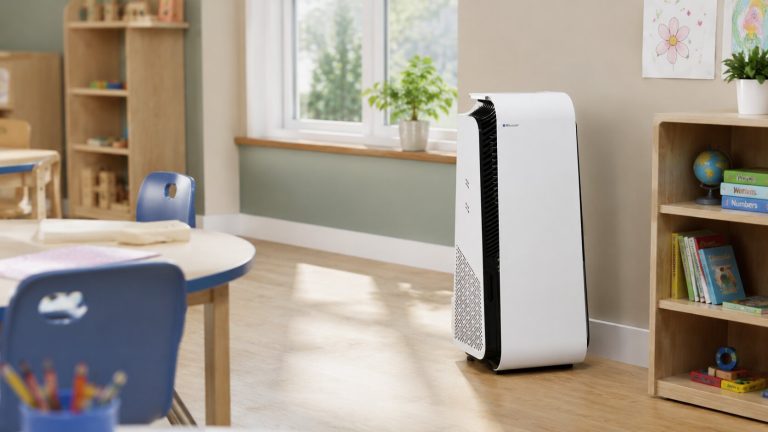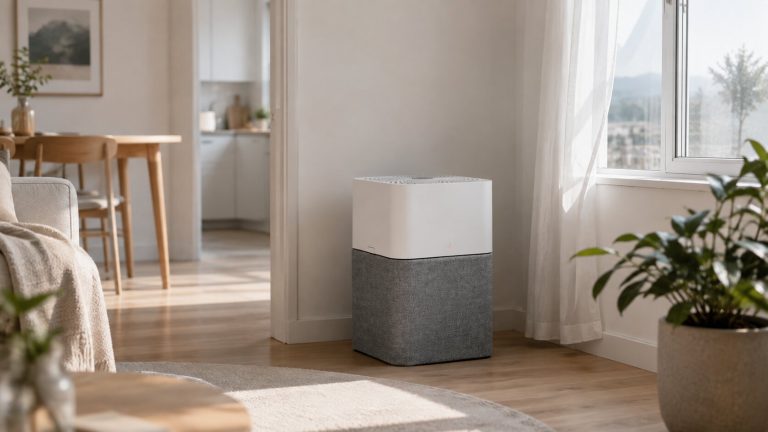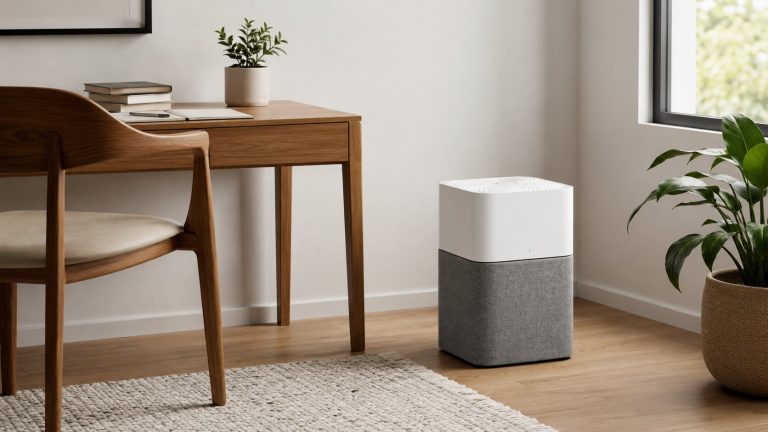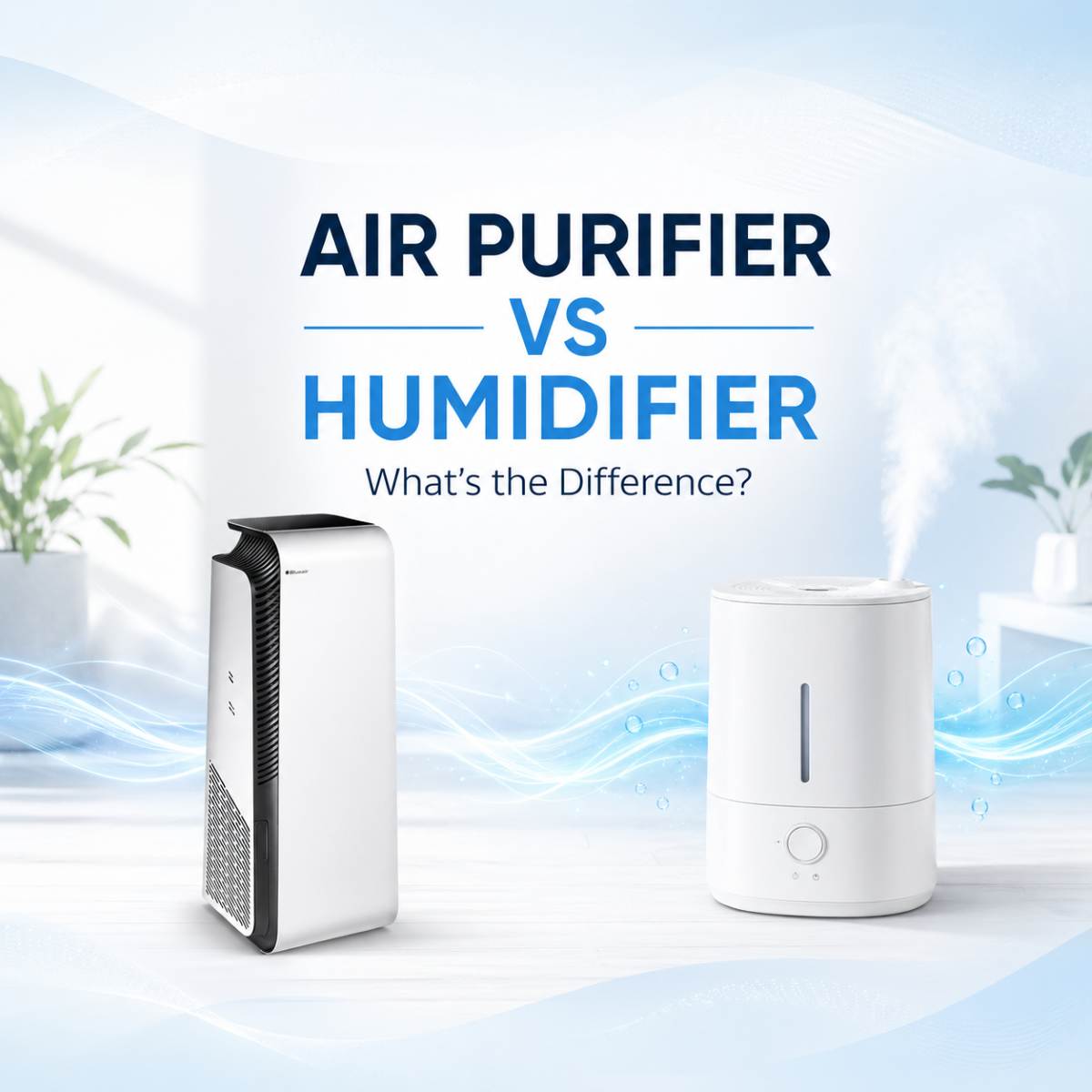
An air purifier cleans the air by removing dust, smoke, allergens, pollution, and other airborne particles. A humidifier adds moisture to the air when it feels too dry. So while they may look similar as indoor appliances, they are built for different uses and different room conditions.
An air purifier removes particles from the air, so it is mainly used for dust, allergens, smoke, pollution, and pet dander. A humidifier, on the other hand, adds moisture to the air, so it is mainly used for dry air, low humidity, dry skin, and sinus dryness. Even though both are used to improve indoor comfort, they do very different jobs.
A humidifier does not clean the air, and an air purifier does not add moisture. One makes the air cleaner, while the other makes the air feel less dry. So when comparing an air purifier vs a humidifier, the real question is not which one is better overall. The real question is: what problem do you want to solve in your room?
This guide explains what each one does in detail, how they differ, what each is used for, and how to decide which one is right for your room, your comfort, and your situation.
Air Purifier vs. Humidifier: Comparison Table
| Factor | Air Purifier | Humidifier |
| Main function | Removes particles from the air | Adds moisture to the air |
| Used for | Dust, allergens, smoke, pollution, pet dander | Dry air, low humidity, dry skin, sinus dryness |
| How it works | Pulls air through filters and sends cleaner air back into the room | Releases moisture or water vapour into the air |
| Helps with | Poor indoor air quality and airborne irritants | Dry indoor conditions and low humidity comfort issues |
| Best for | Rooms affected by dust, smoke, and allergens | Rooms that feel dry and uncomfortable |
| Common filter/technology | HEPA filter, carbon filter, purifier filter | Water tank, mist or vapour system |
| Maintenance | Filter cleaning or replacement is needed | Water tank cleaning and regular refilling are needed |
| Price | Cost between NRs. 20,000 and NRs. 60,000+ | Cost between NRs. 3,000 and NRs. 12,000 |
What is an air purifier?
An air purifier is a device that draws air into the machine, passes it through a filter, and releases cleaner air back into the room. Its purpose is to remove particles and improve indoor air quality. You can explore the full range of air purifiers available at Clean Air Nepal.
Depending on the purifier and filter system, an air purifier can help filter:
- Dust that builds up indoors and keeps circulating through the room
- Allergens that can affect everyday indoor air comfort
- Pollen that enters from outside and stays suspended in the air
- Pet dander from animals living inside the home
- Smoke particles from cooking, traffic, or other indoor and outdoor sources
- PM2.5 and other fine particles that are too small to see but still affect air quality
- Some odours and gases, when carbon filtration is included in the purifier
A HEPA air purifier or a similar high-efficiency filtration system is commonly used to improve air quality in bedrooms, homes, and workspaces. To understand this better, you can also read about Blueair technology.
What is a humidifier?
A humidifier is a device designed to increase indoor humidity by releasing moisture into the air. It is used when the air in a room feels excessively dry and starts to affect everyday comfort. Its role is to restore moisture levels, making the room feel less harsh and more comfortable.
A humidifier may be useful for:
- Dry throat, especially when low humidity makes indoor air feel rough or uncomfortable
- Dry nose, which often becomes more noticeable in rooms with limited moisture
- Sinus dryness, particularly during colder seasons or in air-conditioned spaces
- Dry lips, which can worsen when indoor humidity remains too low
- Skin irritation, including dryness or tightness, caused by a lack of moisture in the air
- Seasonal indoor dryness occurs when the changing weather makes the room feel less comfortable
- Dryness caused by air conditioning or heating, both of which can reduce indoor moisture levels over time
The most important thing to understand is that a humidifier is built to improve comfort in dry conditions. It can add moisture and help balance indoor humidity, but it does not filter dust, remove allergens, or clean polluted air.
Air Purifier vs Humidifier for Different Needs
Choosing between the two becomes easier when you compare them by use case rather than by product name. The right device depends on what is happening in the room and what kind of comfort problem you want to solve.
For bedrooms
Bedrooms need comfort for long, uninterrupted hours, so the right choice depends on what is disturbing the space. If dust, allergens, or stale air are affecting your sleep, an air purifier is usually the better fit because it helps keep the air cleaner overnight. If the room feels too dry and you often wake up with a dry throat or nose, a humidifier may be more useful for improving comfort while you sleep. If you are looking for a bedroom-friendly option, consider the Blue series air purifiers.
For nurseries and baby rooms
When choosing a nursery or baby room, most parents want a space that feels both cleaner and more comfortable. If your concern is dust, pollution, or airborne allergens, an air purifier such as the Blueair Classic 280i air purifier is a more relevant choice because it helps improve the air your baby breathes indoors. If the room feels noticeably dry, a humidifier may also be worth considering. The better option depends on whether you are trying to address an air-quality issue or a moisture issue.
For living rooms
Living rooms are used more often and by more people, so they tend to accumulate more dust, odours, and outdoor pollutants over time. That is why an air purifier such as the Blue 3610 air purifier is a more useful option in this space, especially if the room feels less fresh during the day. A humidifier becomes more relevant when the living room also feels dry for long periods, and that dryness affects overall comfort.
For air-conditioned rooms
If you use air conditioning regularly, you may notice two different problems in the same room. Constant cooling can make the air feel dry, which is where a humidifier may help improve comfort. But air-conditioned rooms can also trap dust, odours, and stale air, especially when windows stay closed for long hours. In that case, an air purifier such as the Blueair Classic 480i air purifier may also be useful. This is one of the most common situations where you might benefit from using both together.
For offices
Workspaces often stay shut for long hours, which can make the air feel stale or less comfortable by the end of the day. If your office collects dust or feels stuffy, an air purifier such as the HealthProtect™ 7470i could be a better choice, as it helps improve indoor air quality while you work. A humidifier can be useful when air conditioning makes the room feel too dry, but for most offices, cleaner air is usually the bigger need.
For clinics
In a clinic setting, indoor air quality matters more than added moisture. These are spaces where people expect the environment to feel clean, fresh, and comfortable throughout the day. For that reason, an air purifier is the more suitable choice, as it helps reduce dust and other airborne particles indoors. A humidifier may still be useful if the space feels uncomfortably dry because of cooling, but air cleaning is the priority in this type of environment. For more advanced protection in sensitive spaces, consider the HealthProtect air purifiers.
For kitchens
Cooking spaces commonly deal with smoke, odours, and airborne particles more than dryness. For that reason, an air purifier such as the Blueair Classic 405 is the more practical choice for a kitchen, especially if you want the space to feel fresher after regular cooking. A humidifier is generally less useful here unless the room feels unusually dry. In most cases, air cleaning will make a bigger difference than adding moisture in this part of the home.
For dusty areas
Homes in dusty locations need a solution that directly addresses airborne particles. If dust keeps entering from outside and settling quickly throughout the room, an air purifier is a better option because it helps reduce the amount that continues to circulate indoors. A humidifier will not solve that kind of problem, because adding moisture does not remove dust. When dust is the main issue, cleaner air is what makes the real difference. For dust-heavy spaces, you can explore the DustMagnet range.
Can You Use Both an Air Purifier and a Humidifier Together?
Yes, you can use both together if your room has both problems at the same time. An air purifier and a humidifier do different jobs, so they can complement each other rather than compete.
Using both together can make sense when:
- The room has dust or allergens, and also feels too dry
- Air conditioning makes the room dry, while indoor air still feels stale
- You want cleaner air and a better humidity balance in the same space
The important thing is to understand why you are using each one. The purifier is there to clean the air. The humidifier is there to add moisture. If you understand that clearly, using both together becomes much more practical.
How Each One Works
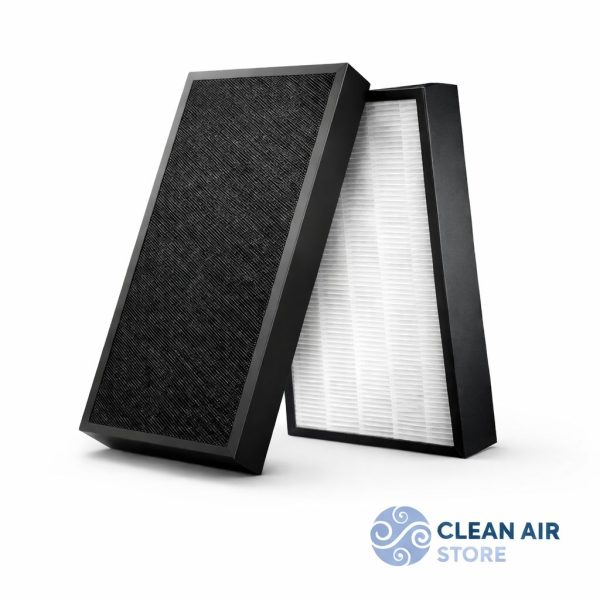
An air purifier works by drawing air through one or more filters that trap unwanted particles before the cleaner air is pushed back out into the room. Depending on the design, this may include a pre-filter, a high-efficiency particle filter, and sometimes activated carbon for odours and gases. The goal is to reduce what keeps floating around indoors.
A humidifier works very differently. It releases moisture into the room to raise humidity levels and make the air feel less dry. It does not trap particles in a filter. It does not remove pollution. Its job is to humidify the space and improve comfort when low moisture is the problem.
Why Does The Difference Matter?
The difference between an air purifier and a humidifier matters because choosing the wrong device means the actual problem remains unsolved. If you have dust, smoke, and allergens in the air, adding moisture will not clean the room. If you have dry air and low humidity, filtering particles will not make the room feel less dry.
The easiest way to choose is to match the device to the problem:
- Choose an air purifier for dust, smoke, allergens, and airborne particles
- Choose an air purifier if you want to filter and clean the air
- Choose a humidifier for dry air or low humidity
- Choose a humidifier for dry skin, dry throat, dry nose, or sinus dryness
- Choose both if the room has both poor air quality and dryness
Air Purifier vs Humidifier in Nepal: Which Is More Useful?
In many Nepali homes, an air purifier is more useful because dust, smoke, and pollution are common everyday problems. This is especially true in cities, along roadways, and in places where outdoor air quality can easily affect indoor air quality.
An air purifier is the more practical choice in Nepal when the problem is:
- Dust from roads and construction
- Smoke from traffic or nearby burning
- Indoor allergens and airborne particles
- Poor air quality during polluted days
- Stale indoor air in closed rooms
A humidifier is more useful when the room feels dry, such as during seasonal dryness or when using indoor AC. It is not meant to clean the air, but it can improve comfort when humidity is low.
A humidifier may be useful in Nepal when the problem is:
- Dry indoor air during certain seasons
- Dryness caused by air conditioning
- Dry skin, dry throat, or dry nose
- Low indoor humidity that makes the room uncomfortable
So in Nepal, an air purifier is often the more practical choice for regular use, while a humidifier is useful for specific dryness-related comfort problems.
Which Problem Are You Trying to Solve?
The easiest way for you to decide between the two is to look at the actual problem in your room. If your air feels dusty, smoky, polluted, or full of airborne irritants, an air purifier is a better choice because it is designed to filter out particles. That makes it more suitable if you are dealing with dust, allergens, smoke, pet dander, or poor indoor air quality.
If your room does not feel dirty but instead feels too dry or uncomfortable, a humidifier is usually the better option. It is designed to add moisture back into the air, which can help if you are dealing with low humidity, dry skin, dry throat, dry nose, or sinus dryness. So the decision becomes much easier when you first identify whether your problem is air quality or dryness.
Which One Should You Choose?
The easiest way to choose is to look at the problem in your room. If you want to filter dust, remove smoke, reduce allergens, and clean indoor air, an air purifier is usually the right choice. If you want to add moisture and make dry indoor air feel more comfortable, a humidifier is usually the better option.
An air purifier is meant for dirty air, while a humidifier is meant for dry air. They do not replace each other because they solve different indoor air problems. So before you buy, ask one simple question: Is my room uncomfortable because the air is dirty, or because it is dry? If the problem is dirty air, choose an air purifier. If the problem is dry air, choose a humidifier. For cleaner indoor air, you can browse air purifier options or contact Clean Air Nepal for guidance.
FAQs
What is the difference between an air purifier and an air humidifier?
An air purifier helps remove particles like dust and allergens from the air, while a humidifier helps add moisture when the air feels too dry.
Is a humidifier better than an air purifier?
Not necessarily. A humidifier is better for dry air, while an air purifier is better for dust, allergens, and air quality issues.
Can you use both together?
Yes, you can use both together if you want cleaner air and more comfortable humidity levels in the same room.
Does an air purifier humidify the air?
No, an air purifier does not add moisture. Its main job is to filter and clean the air.
Does a humidifier remove dust and allergens?
No, a humidifier does not remove airborne particles the way an air purifier does.