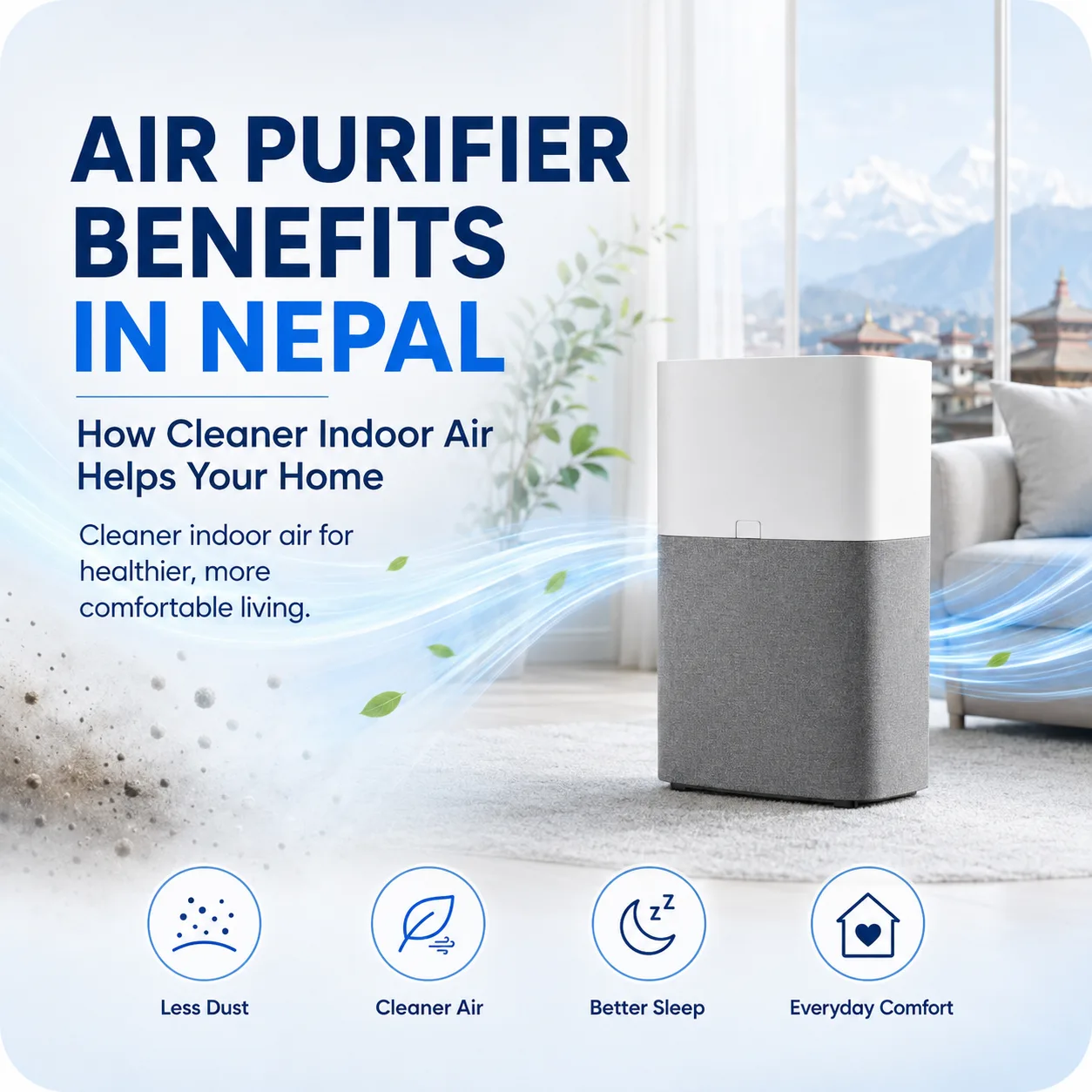
An air purifier can make a real difference in homes in Nepal, especially where indoor spaces are exposed to dust, traffic pollution, smoke, allergens, pet dander, seasonal haze, and fine particles like PM2.5. It works by filtering airborne pollutants that enter through windows, doors, clothes, shoes, ventilation gaps, and everyday indoor activities.
The main benefits of air purifiers include cleaner indoor air, reduced airborne dust, lower exposure to PM2.5, fewer allergy triggers, and fewer smoke particles. When activated carbon filtration is included, an air purifier can also help keep indoor spaces fresher by reducing cooking smells, smoke odour, traffic fumes, and other common household odours.
For families in Kathmandu and other busy areas, this can make bedrooms, living rooms, baby rooms, and study spaces feel cleaner and more comfortable. This guide explains how air purifiers address common indoor air problems in Nepal and what to consider before choosing the right model for your home.
Why Air Purifier Benefits Matter for Homes in Nepal?
Air purifier benefits in Nepal matter because outdoor pollution often enters indoor spaces. Open windows, gaps in doors, clothes, shoes, pets, and ventilation bring road dust, construction dust, traffic pollution, and seasonal haze into homes.
Kathmandu Air pollution can affect indoor air quality because urban valleys often trap dust and smoke during dry or cold periods. Winter pollution in Nepal can feel worse in enclosed rooms because people close windows for warmth.
In Nepal, many homes face a mix of indoor and outdoor air problems, including:
- Road dust from nearby streets
- Construction dust from surrounding buildings
- Traffic pollution from vehicles
- Smoke particles from cooking, burning, incense, candles, or outdoor fires
- Pollen and allergens from plants and open windows
- Pet dander from cats, dogs, and other animals
- Mould spores from damp walls, carpets, curtains, and poorly ventilated rooms
- Fine particulate matter from traffic and seasonal haze
This is why the benefits of air purifiers in Nepal extend beyond luxury comfort. For many households, an air purifier is a practical tool for dust control, cleaner bedroom air, and better breathing comfort.
What Are the Benefits of an Air Purifier?
An air purifier helps improve indoor air quality by reducing airborne dust, PM2.5, pollen, pet dander, mould spores, smoke particles, and other fine pollutants from the room. It can make indoor spaces feel cleaner and more comfortable, especially for homes exposed to dust, traffic pollution, smoke, allergens, pets, or seasonal haze.
Reduces Airborne Dust
One of the most noticeable benefits of using an air purifier at home is reduced dust. In Kathmandu and other dusty urban areas, dust can quickly enter homes through open windows, balcony doors, shoes and clothes, ventilation gaps, and daily movement.
An air purifier for dust helps capture airborne particles before they settle on beds, furniture, curtains, shelves, floors, electronics, and soft surfaces. It does not remove dust that has already settled, but it can reduce the amount of dust floating in the air.
This is useful for:
- Bedrooms
- Living rooms
- Baby rooms
- Home offices
- Apartments near roads
- Homes near construction sites
- Clinics, offices, and waiting areas
For better dust control at home, clean floors and surfaces regularly, keep doors and windows closed during dusty hours, and run a HEPA air purifier in the main room. Homes near roads, schools, construction sites, and busy chowks may benefit more, as airborne dust enters more frequently.
Helps Reduce PM2.5 and Fine Particles
PM2.5 particles are very small airborne particles that can remain suspended in the air and enter indoor spaces from traffic pollution, smoke, outdoor haze, and burning. These particles are hard to see, but they can affect indoor air quality, especially during polluted days.
An air purifier for PM2.5 with strong particle filtration can help reduce fine particulate matter inside the room. This is especially useful during winter pollution in Nepal, dry dusty months, hazy mornings and evenings, high-traffic days, and periods when outdoor air feels heavy or polluted.
The purifier must have the right filtration system and enough airflow for the room. A small purifier in a large room may run for many hours, but still cleans the air slowly. This is why room-size coverage and CADR (or airflow) matter when choosing the best air purifier for your home.
Supports Allergy-Sensitive Users
An air purifier for allergies can help reduce common airborne allergy triggers such as dust particles, pollen, pet dander, mould spores, dust mite particles, and fine airborne pollutants. It does not cure allergies or remove every trigger from the home, but it can reduce the amount of irritants floating in the room.
Allergens can also collect on bedsheets, pillows, carpets, sofas, curtains, and clothes, so an air purifier works best as part of a complete cleaning routine. Allergy-sensitive users may notice better comfort when the purifier runs in the bedroom, especially during sleep.
For better results, combine purifier use with:
- Regular bedsheet washing
- Vacuuming with proper filtration
- Reducing carpets and heavy curtains
- Keeping pets out of allergy-sensitive bedrooms
- Closing windows during dusty or polluted hours
- Replacing filters on time
Helps Reduce Smoke Particles
Smoke is a common indoor and outdoor air concern in Nepal. It may come from cooking, incense, cigarettes, candles, nearby burning, traffic, outdoor fires, or seasonal haze.
An air purifier for smoke can help reduce airborne smoke particles when it has strong particle filtration. If the purifier also includes activated carbon filtration, it can help reduce some smoke-related odours and gas-based smells.
Helps Homes with Pets
Pet owners often deal with pet hair, pet dander, dust, and indoor odours. Pet hair may be visible, but pet dander is much smaller and can stay airborne for longer.
A home air purifier with HEPA filtration can help reduce airborne pet dander and fine particles circulating in the room. Activated carbon filtration can also help with some pet-related smells.
This is helpful for:
- Dog owners
- Cat owners
- Apartment homes
- Bedrooms where pets spend time
- Living rooms with fabric sofas and carpets
- Allergy-sensitive family members
An air purifier does not replace grooming, sweeping, or vacuuming. Pet hair and dust that have already settled on furniture or floors still need to be cleaned manually. The purifier supports cleaner indoor air between regular cleaning routines.
Supports Cleaner Bedroom and Baby Room Air
Bedroom air quality matters because people spend long hours sleeping in one room. Dust, pollen, pet dander, smoke particles, and PM2.5 can remain in the air even when the room looks clean.
An air purifier for bedroom use can help maintain cleaner indoor air during sleep. For bedrooms, the most important features are quiet operation, appropriate room-size coverage, strong particle filtration, low energy use, easy filter replacement, and night mode or low-speed settings.
Baby room air quality needs extra care because babies and children spend much of their time indoors, often close to bedding, carpets, toys, and soft surfaces where dust can collect. A baby room purifier should be quiet, stable, energy-efficient, and properly matched to the room size.
Important baby room points:
- Place the purifier away from the crib.
- Avoid strong airflow directly on the baby.
- Use genuine replacement filters.
- Avoid ozone-producing devices.
- Keep cords out of reach.
Helps Homes Near Roads and Construction Areas
Homes near roads, construction sites, schools, busy chowks, and high-traffic areas often face more airborne dust and traffic-related particles. Even when windows are closed most of the time, fine dust can still enter through small gaps, doors, shoes, clothes, balconies, and stairways.
For these homes, the benefits of air purifiers are usually more noticeable because indoor air gets dustier faster. A purifier can help reduce road dust, construction dust, fine particulate matter, vehicle-related particles, and airborne dust from open windows or balconies.
For roadside homes or apartments near active construction, choosing a purifier with slightly stronger coverage than the room’s basic size is often better. This is why every home in Kathmandu needs an air purifier to manage dust, traffic particles, and polluted indoor air more effectively.
Supports Offices, Clinics, and Shared Indoor Spaces
Air purifiers are useful not only in bedrooms and living rooms. Offices, clinics, reception areas, classrooms, meeting rooms, and shared indoor spaces can also benefit from cleaner indoor air.
In shared spaces, indoor air can be affected by foot traffic, outdoor dust entering through doors, nearby roads, enclosed rooms, printers, paper dust, and long working hours in closed spaces. A purifier with weak CADR or airflow cannot clean a busy shared room effectively.
An air purifier for office use should have strong airflow, quiet operation, proper room coverage, and reliable filter performance. This helps maintain cleaner indoor air for staff, visitors, patients, customers, and people working indoors for long hours.
Do Air Purifiers Really Work?
Yes, air purifiers work when they use effective filters, match the room size, and run long enough. They remove airborne particles such as dust, PM2.5, pollen, smoke particles, pet dander, and mould spores from indoor air, but they do not clean settled dust, cure disease, or replace regular ventilation and cleaning.
A purifier works best when the CADR or airflow matches the room size, the filter is clean and genuine, and the unit runs for several hours instead of only a few minutes. Doors and windows should also be managed properly, especially during dusty or polluted hours, so outdoor particles do not keep entering the room.
Placement also matters. The purifier should sit in an open area with clear airflow, not behind furniture, under curtains, or tightly against a wall. A cheap purifier with weak airflow may feel quiet but clean air slowly, while a premium air purifier with HEPA filtration and strong airflow usually performs better in larger rooms or dust-heavy spaces.
Are Air Purifiers Worth It in Nepal?
Air purifiers are worth it in Nepal for many homes, as dust, PM2.5, smoke, and seasonal haze can affect indoor air quality and comfort. They are especially useful in Kathmandu and other urban areas with traffic, construction, and dry dusty months.
An air purifier is most worth it when:
- You live near a main road or construction site.
- Your home collects visible dust quickly.
- Someone in your home has allergy triggers or sinus irritation.
- You have children, elderly adults, or pets.
- You close windows during winter pollution or haze.
- You want cleaner bedroom air during sleep.
An air purifier is less useful when the unit is too small, filters are not replaced, doors stay open all day, or the pollution source continues indoors.
The real value comes from cleaner air at home, better comfort, and reduced airborne triggers. It is not a one-time purchase only. You should include the cost of filter replacement and the availability of genuine filters in your budget.
What Types of Indoor Pollutants Can an Air Purifier Help Reduce?
An air purifier can help reduce airborne pollutants in the room, especially particles from dust, smoke, traffic pollution, pets, pollen, and daily indoor activities. It works best on pollutants that pass through the filter, but it does not completely remove settled dust, moisture issues, or pollution sources.
| Indoor Pollutant | Can an Air Purifier Help? | Best Filter Type | Simple Explanation |
| Airborne dust | Yes | HEPA / particle filtration | Captures dust floating in the air before it settles on furniture, floors, and bedding. |
| PM2.5 and fine particles | Yes | HEPA / high-efficiency particle filtration | Helps reduce fine particles from traffic pollution, smoke, haze, and outdoor air pollution. |
| Pollen | Yes | HEPA / particle filtration | Captures seasonal pollen that can enter through windows, clothes, and ventilation gaps. |
| Pet dander | Yes | HEPA / particle filtration | Helps reduce tiny pet particles that stay airborne and collect on soft surfaces. |
| Mold spores | Yes | HEPA / particle filtration | Captures airborne mould spores, but it does not fix the moisture source causing mould growth. |
| Smoke particles | Yes | HEPA + activated carbon | HEPA captures smoke particles, while carbon helps reduce the smell. |
| Cooking smell | Yes, with carbon | Activated carbon | Carbon filtration helps reduce odour molecules from cooking and frying. |
| Traffic fumes | Yes, with carbon | Activated carbon | Carbon helps reduce some gas-based pollutants and fumes entering from roads. |
| VOCs and chemical smells | Yes, with carbon | Activated carbon | Helps reduce some gases from paint, cleaning products, furniture, and chemicals. |
| Hair and lint | Yes | Pre-filter / HEPA | Larger particles are usually captured by the pre-filter or main filter. |
Who Benefits Most From an Air Purifier?
An air purifier is useful for anyone who wants cleaner indoor air, but it benefits people more when they are exposed to dust, smoke, allergens, pet dander, PM2.5, or polluted outdoor air entering the home. It is especially helpful for children, elderly adults, allergy-sensitive users, people with asthma triggers or sinus irritation, pet owners, and families living near roads, construction areas, or busy urban spaces.
Air purifiers can be especially useful for:
- Children: Children benefit from cleaner indoor air because they spend many hours at home, school, and in their bedrooms. A properly sized purifier can reduce airborne dust and fine particles in a room.
- Elderly Adults: Elderly adults may value cleaner air because dust, smoke, and strong odours can reduce comfort. A quiet air purifier supports bedrooms and sitting rooms.
- Allergy-Sensitive People: Allergy-sensitive people benefit from purifiers that reduce airborne pollen, pet dander, dust, and mould spores. The purifier supports comfort. It does not replace medical advice.
- People with Asthma Triggers or Sinus Irritation: People with asthma triggers or sinus irritation may benefit from reducing exposure to airborne irritants. An air purifier does not treat asthma. It can reduce common triggers in the room.
- Pet Owners: Pet owners benefit from reduced pet dander, hair, and odour support. A purifier with HEPA and activated carbon works better than basic particle-only models.
- Homes Near Roads or Construction: Homes near roads, dry areas, and construction zones benefit from stronger dust control. A purifier with good airflow helps filter incoming airborne dust.
- Bedrooms, Offices, Clinics, and Shared Spaces: Bedrooms need quiet filtration. Offices need steady airflow. Clinics and shared spaces need proper coverage. Each room type needs the right purifier size.
Recommended Air Purifier Options for Nepal Homes
The right air purifier depends on where you plan to use it, how large the room is, and what indoor air problem you want to reduce. A small bedroom may need a quiet, compact model, while a living room, clinic, office, or a dust-heavy home may need stronger airflow and greater room coverage.
| Use Case | What to Look For | Suggested Blueair Option |
| Small bedroom or study room | Quiet operation, compact design, low energy use, and proper coverage for smaller spaces | Blueair Blue 3410 or a compact Blue Series option |
| Larger bedroom or living room | Higher room coverage, stronger airflow, quiet performance, and daily dust control | Blueair Blue 3610 |
| Dust-heavy home | Strong particle capture, good airflow, and filtration designed for airborne dust before it settles | Blueair DustMagnet Series |
| Premium home use | Smart features, air quality monitoring, auto mode, quiet operation, and advanced filtration | Blueair HealthProtect 7470i |
| Office or clinic | Strong CADR/airflow, larger room coverage, low noise, and reliable filter performance for shared spaces | Blueair Classic Series or HealthProtect Series |
| Car cabin | Compact in-car filtration, smoke and dust particle reduction, odour support, and easy daily use | Blueair Cabin P1 / Cabin P2i |
Before choosing any model, check the room size, CADR or airflow, filter type, noise level, replacement filter cost, warranty, and genuine filter availability in Nepal. This helps you choose an air purifier that fits your space, performs properly, and stays reliable for long-term use.
Common Mistakes to Avoid When Buying an Air Purifier
Buying an air purifier in Nepal becomes easier when you know what mistakes to avoid. The right purifier should match your room size, indoor air problem, filter needs, and long-term maintenance plan.
- Choosing only by price: A low-priced purifier may look attractive, but it can come with weak airflow, limited filtration, higher noise, poor build quality, or hard-to-find replacement filters.
- Ignoring room size: An air purifier must match the room where it will be used. A small bedroom purifier may not clean a large living room, office, clinic, or open space effectively.
- Buying without HEPA filtration: HEPA (high-efficiency particulate air) filtration is essential for reducing airborne dust, PM2.5, pollen, allergens, pet dander, mould spores, and smoke particles.
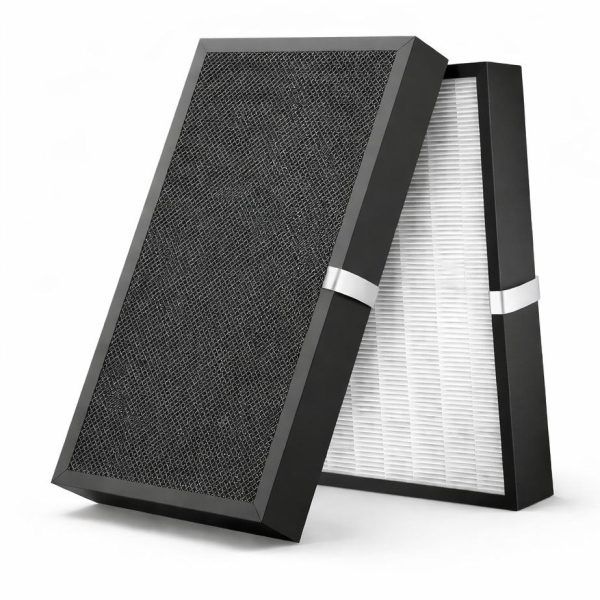
- Forgetting activated carbon filtration: HEPA filtration captures particles, but it does not effectively remove cooking smells, smoke, traffic fumes, chemical odours, or VOCs. For odour and gas control, activated carbon filtration is important.
- Expecting instant results: Air purifiers need time and regular use. They work best when they run for several hours and when doors and windows stay closed during dusty or polluted hours.
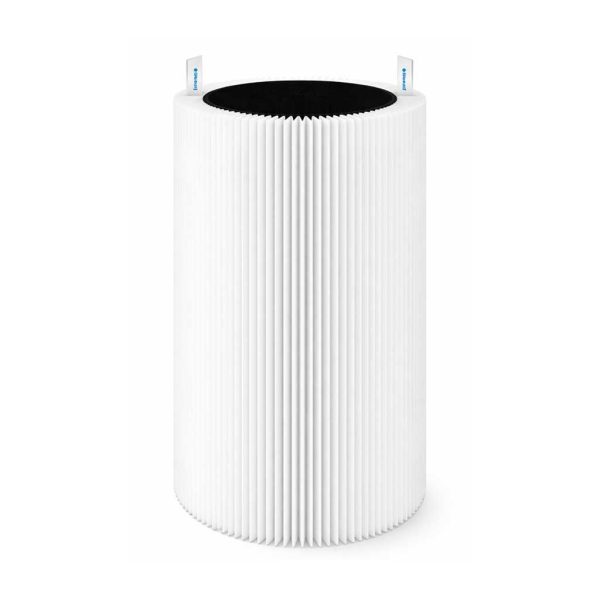
- Forgetting to replace filters: Dirty or clogged filters reduce airflow and weaken purification performance. Genuine replacement filters help maintain proper fit, filtration efficiency, and long-term reliability.
- Placing the purifier in a corner Blocks airflow, reducing cleaning performance. Place the purifier in an open area with enough space around the air intake and outlet.
- Using one purifier for the whole house: Most air purifiers are designed to clean one room or zone at a time. Bedrooms, living rooms, offices, and baby rooms may need separate units depending on usage and room size.
Explore Premium Swedish Air Purifiers in Nepal
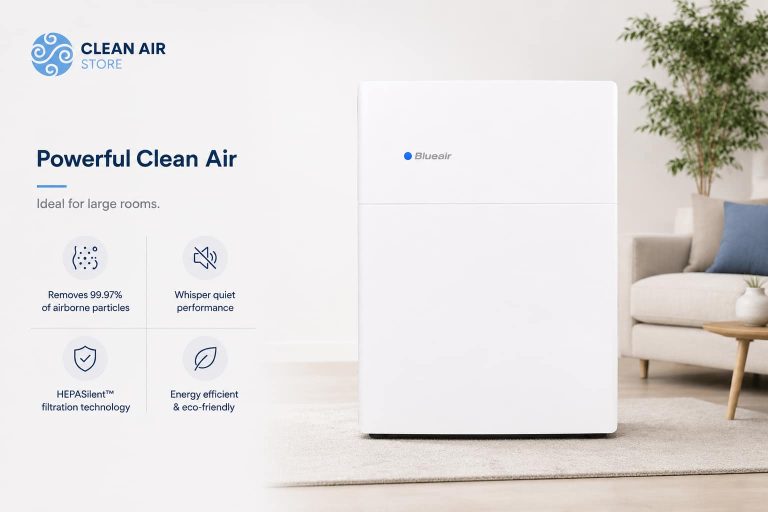
Clean Air Nepal helps users explore premium Swedish Blueair air purifiers and genuine replacement filters for homes, offices, bedrooms, baby rooms, clinics, and shared indoor spaces. Blueair air purifiers in Nepal may suit users seeking strong filtration, a clean design, quiet operation, energy-efficient features, and reliable filter support. The right model depends on room size, airflow needs, and filter type.
FAQs
What are the main benefits of an air purifier?
The main benefits of an air purifier include reduced airborne dust, PM2.5 particles, pollen, pet dander, mould spores, smoke particles, and odours when activated carbon is included. It supports cleaner indoor air and better breathing comfort.
Do air purifiers help with dust in Nepal?
Yes, air purifiers help reduce dust in Nepal by capturing airborne particles before they settle. They work best with HEPA filtration, proper room size coverage, closed windows during dusty hours, and regular cleaning.
Do air purifiers remove PM2.5?
Yes, air purifiers with effective particle filtration can reduce indoor PM2.5 levels. Results depend on filter quality, CADR/airflow, room size, placement, and whether polluted outdoor air continues to enter the room.
Are air purifiers good for allergies?
Yes, air purifiers can help allergy-sensitive users by reducing airborne pollen, dust, pet dander, and mould spores. They do not cure allergies. They support indoor comfort by reducing common airborne triggers.
Are air purifiers worth it for homes in Kathmandu?
Yes, air purifiers are worth it for many homes in Kathmandu affected by road dust, construction dust, traffic pollution, smoke, and seasonal haze. They are most useful in bedrooms, baby rooms, living rooms, and home offices.